
There's More To Tuscany Than You Think
An exploration of "Alt Tuscany," what's up with Chianti Classico, and what Tuscan wines we should all be seeking out. With 20 bottle recommendations.

We’re three decades into America’s love affair with all things Tuscan, which likely started with Frances Mayes’ 1996 bestseller Under the Tuscan Sun. (I won’t delve deeply into that, other than to say I’ve written previously about my love-hate relationship with the book and the Tuscan fever it unleashed.) Affixing the word Tuscan to a product—whether Tuscan bathroom tiles, Tuscan fast-food sandwiches, or Tuscan cat food (Fancy Feast’s White Meat Chicken Tuscany anyone?)—has been a surefire middlebrow sales tactic. With wine, it’s no different.
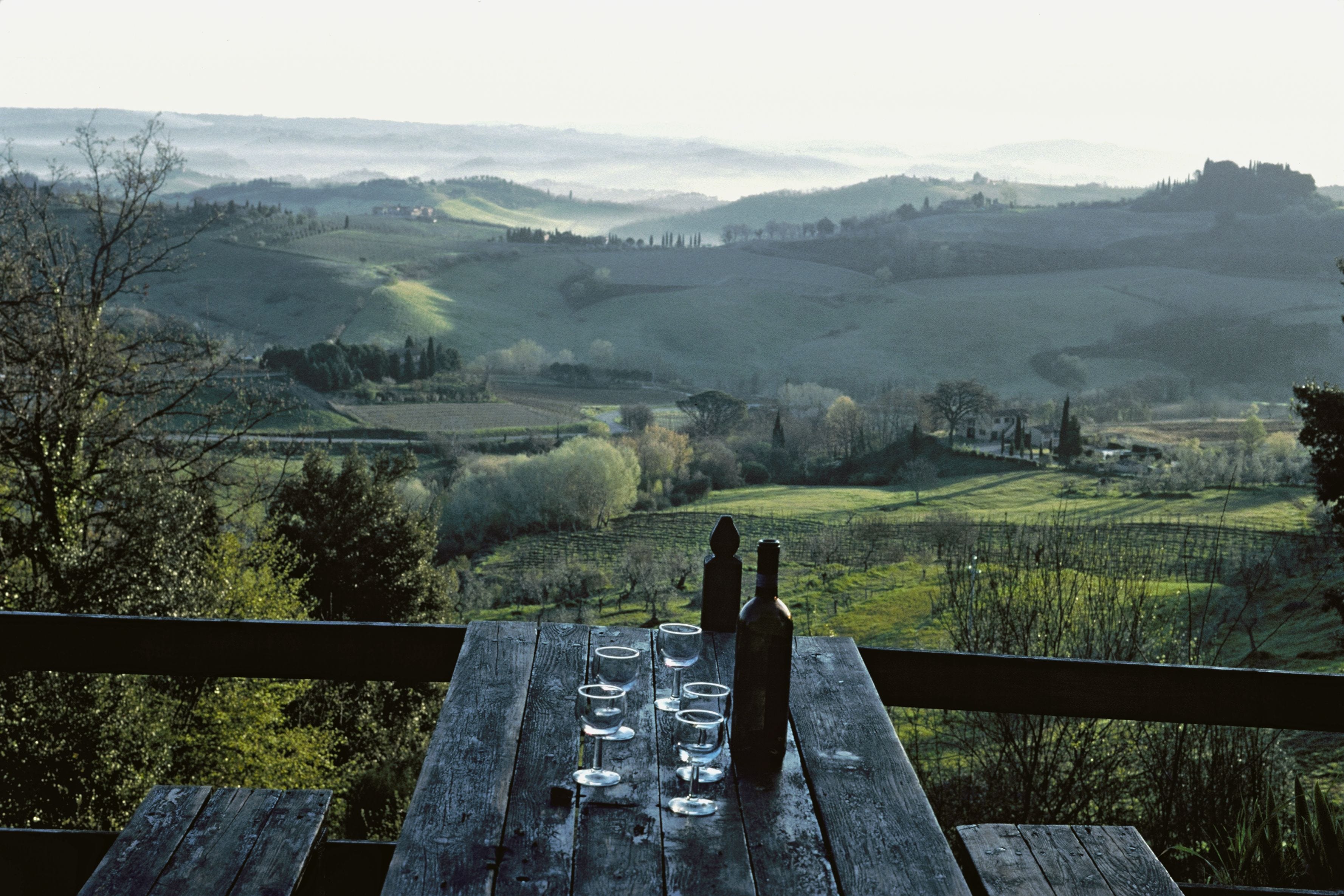
Yet despite “Tuscan” becoming a hackneyed marketing concept, the real Tuscany is still home to some of Italy’s most important wines. Most wine lovers know that sangiovese is the king grape here, and they also surely know the big names: Brunello di Montalcino, the Super Tuscans of Sassacaia and Ornellaia, and of course, Chianti Classico. In this piece, I want to look at contemporary Tuscan wines with a wider lens, get beyond the greatest hits.
A few months ago, I had the chance to spend a week in Florence tasting wines at the annual Anteprima di Toscana. Plenty of what I tasted was rote and uninspiring, but much of it was truly surprising—especially L’Altra Toscana, or “Alt Tuscany,” including appellations like Carmignano, Cortona, Maremma, Montecucco, as well as a hodge-podge of innovative wines bottled as IGT Vino Toscana outside of the legacy regions. There’s a bunch of exciting things happening in Tuscany that not many people are really talking about.
Chianti Classico: Renaissance or Identity Crisis?
Before I get to those exciting things, I would like to say a few words about some less exciting Tuscan messaging that wine media loves to repeat ad nauseam: Namely, the so-called “re-emergence” of Chianti Classico. If you follow wine media, you’ve certainly read or seen it. A couple weeks ago, for example, Wine Enthusiast declared (not for the first time) that “The Chianti Renaissance Is Upon Us” and that “Chianti has reached a golden age of excellence.”
I see some version of the “rise of Chianti Classico” asserted regularly in wine media. Based on what, you might ask? Great question. Answer: Not much. The evidence given is usually a couple of regulatory moves by the Chianti Classico consortium. First, in 2021, the consortium approved 11 subzones, “adding a Burgundian sense of geography to the label,” according to Food + Wine (just a few weeks ago). The other thing cited is Chianti Classico’s Gran Selezione category, above Riserva (created in 2014) that stipulates Gran Selezione must come exclusively from estate-owned vineyards, and must be aged a minimum of 30 months of aging before release. Without delving into the idea that wine “exclusively” from one’s own vineyards seems to be a rather low bar for a quality standard, I feel like we all need to calm down about a Chianti Classico “renaissance.”
I tasted more than 300 Chianti Classico wines during my time in Florence, and I certainly found plenty of noteworthy wines that I really liked (my top 10 bottle selections are below). But, overall, I lean more toward Wine-Searcher’s suggestion that Chianti Classico’s 11 subzones will “only be learned by somms and wine nerds” and will be “more stuff to not bother knowing” for the general public. In early July, Wine-Searcher claimed that the region faces an “identity dilemma” and “needs to work out exactly what it wants to be before it can really chime with consumers.” On Chianti Classico, I fall somewhere in between breathless praise and crisis.
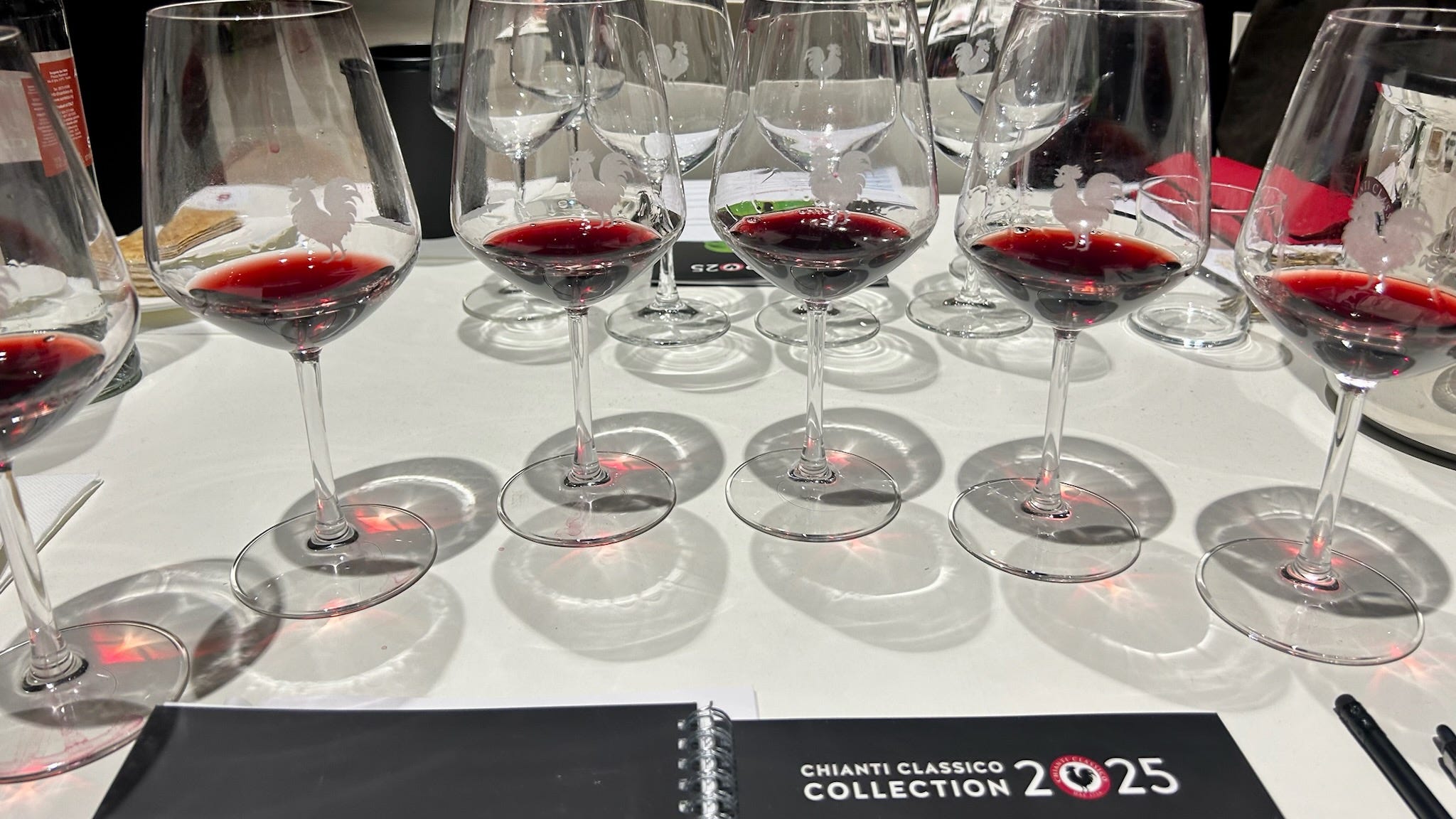
As readers know, I get as excited as anyone about legacy wine regions going through revolutions and new movements. I’ve written about big changes happening in Rioja, for instance—and there some comparisons to draw between Rioja and Chianti Classico.

Though, let me be clear in saying that Chianti Classico is well behind Rioja when it comes to a new wave or a revolution. In Rioja, the new wave has come from the grassroots, from smaller producers pushing the bigger estates and the appellation to make changes. That’s not my read on Chianti Classico and its PR-driven media messaging, which almost always focuses on Riserva and Gran Selezione.
What I found in my tastings is to skip the overoaked and pricey bottlings and instead explore Chianti Classico’s basic level (annata) wines. There’s a ton of great value here in the $20 to $40 range. Yet even within this level, I am advocating for a specific style of these wines.
At the annata level, Chianti Classico still must be aged for at least 12 months and must have a minimum of 80 percent sanigovese. The remaining percentage is allowed to be other native or international red grapes, and this is where you need to look closely. Traditionally, Chianti Classico was always blended. The 100 percent sanigovese is a relatively recent development (similar to the rise of 100 percent tempranillo in Rioja).
Most of the Chianti Classico I’m recommending below has a small percentage (usually 10 to 15 percent) of native varieties such as canaiolo, colorino, malvasia nera, or ciliegiolo blended with the sanigovese. The producers I’m excited about, such as Istine, Fattoria San Giusto a Rentennano, Casa Emma, Tenuta di Lilliano, and Isole e Olena are all blending with native grapes.
In my tastings, I generally preferred these blends over 100 percent sangiovese—and certainly over those blended with international varieties like merlot or cabernet sauvignon. Of course, there are exceptions: Castello di Volpaia’s lovely 2023 blend of sangiovese and merlot and Cigliano di Sopra’s amazing 2023 with 100 percent sangiovese, to name two. But when in doubt, I look for the blend with the native grapes.
Chianti Classico can be very confusing, a hodge-podge of names starting with castello, tenuta, fattoria, podere, or poggio. It’s hard to keep the players straight. I hope my list of recommendations below can offer a place to start.
L’Altra Toscana
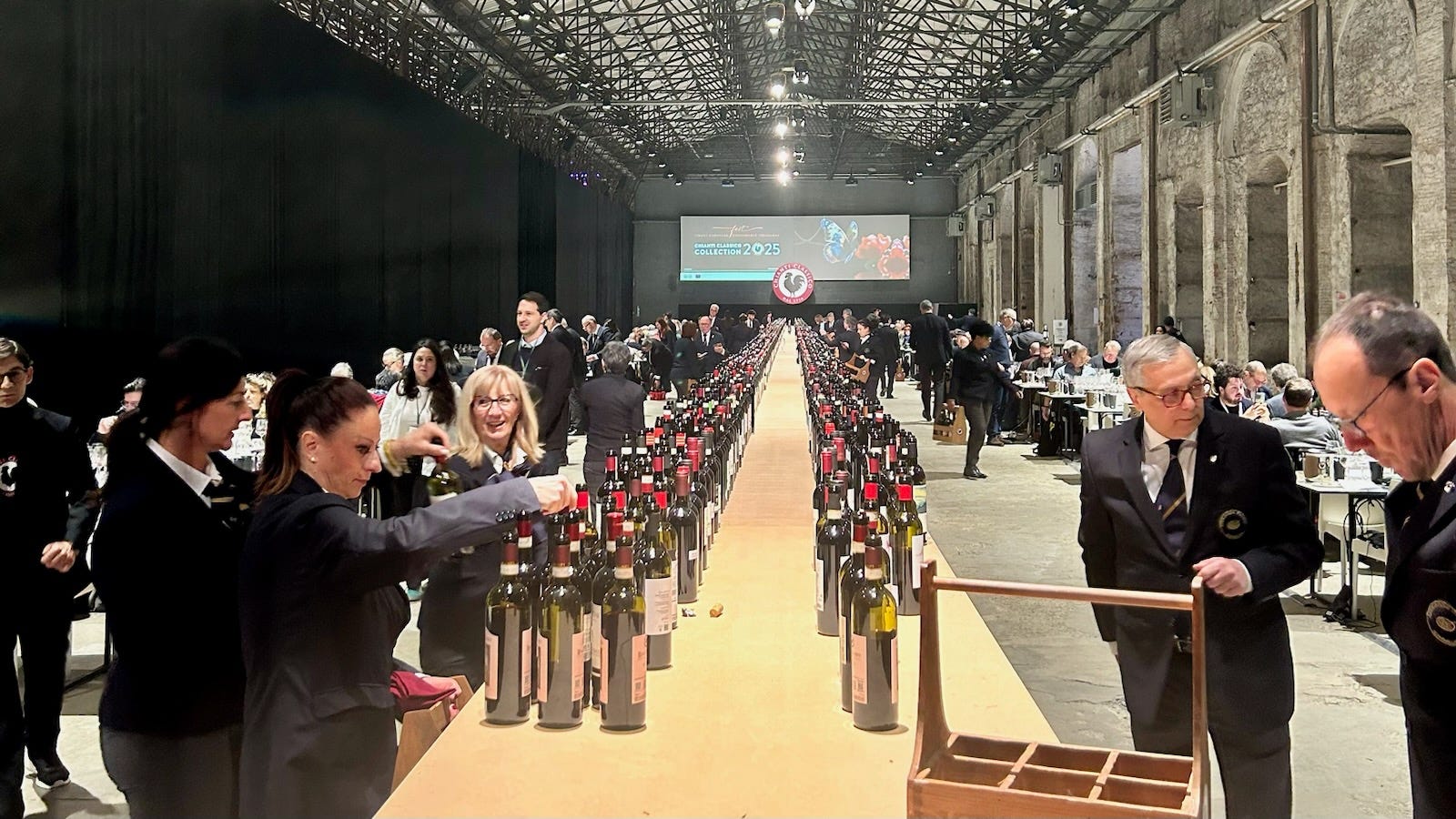
Of the various tastings I attended in Florence, perhaps the most exciting was called L’Altra Toscana. There, I tasted wines from eight appellations of “Alt Tuscany,” including Carmignano, Montecucco, Cortona, Maremma, and Chianti Rufina, as well as a mix of innovative wines bottled as IGT Vino Toscana. (IGT is the more general Indicazione Geografica Tipica as opposed to the stricter DOC or Denominazione di origine controllata. It’s often used by adventurous winemakers whose approaches don’t fall within the tight confines of the DOC.)
The Carmignano wines, for instance, in particular jumped out at me. For a while now, I’ve been impressed by the wines of this small appellation, which is located close to Florence. In fact, at only 250 hectares, Carmignano is the smallest Denominazione d’Origine Controllata e Garantita (DOCG) in Italy. In Carmignano, the sangiovese can be blended with 10 to 20 percent cabernet sauvignon or cabernet franc, which gives the wines a unique, serious, structured character. Among Carmignano’s top producers are Tenuta di Capezzana, Piaggia, and Fabrizio Pratesi.
Ciliegiolo, the Cherry of Coastal Tuscany
Many overlook the fact that Tuscany has a coast. Maremma is its name, and it's one of Italy’s newest up-and-coming wine regions, having only obtained recognition as a DOC in 2014.
One of the most innovative and exciting trends in Maremma is the emergence of red wines made from 100 percent ciliegiolo (which takes its name from the Italian word for “cherry”). Traditionally, the indigenous ciliegiolo grape was blended with sangiovese because of its aromas, its juiciness, and how it softens sangiovese’s acidity.
In his comprehensive book, Native Wine Grapes of Italy, Ian D’Agata writes: “Ciliegiolo is one of the country’s greatest but most underappreciated grape varieties, allowing for wines of mesmerizingly pure aromas and flavors.”
Ciliegiolo may find its best expression is the Maremma, and a critical mass of producers here are making amazing single-varietal bottlings. I tasted more than a dozen examples, with impressive ciliegiolo from wineries such as Alberto Motta, Mantellassi, Poggioargentiera, Sassotondo, and Tenuta Montauto.
The best ciliegiolo is cool and crunchy, with ripe red fruit, and a touch of smokey minerality. It definitely feels like an of-the-moment red wine.
Syrah for a Surprise
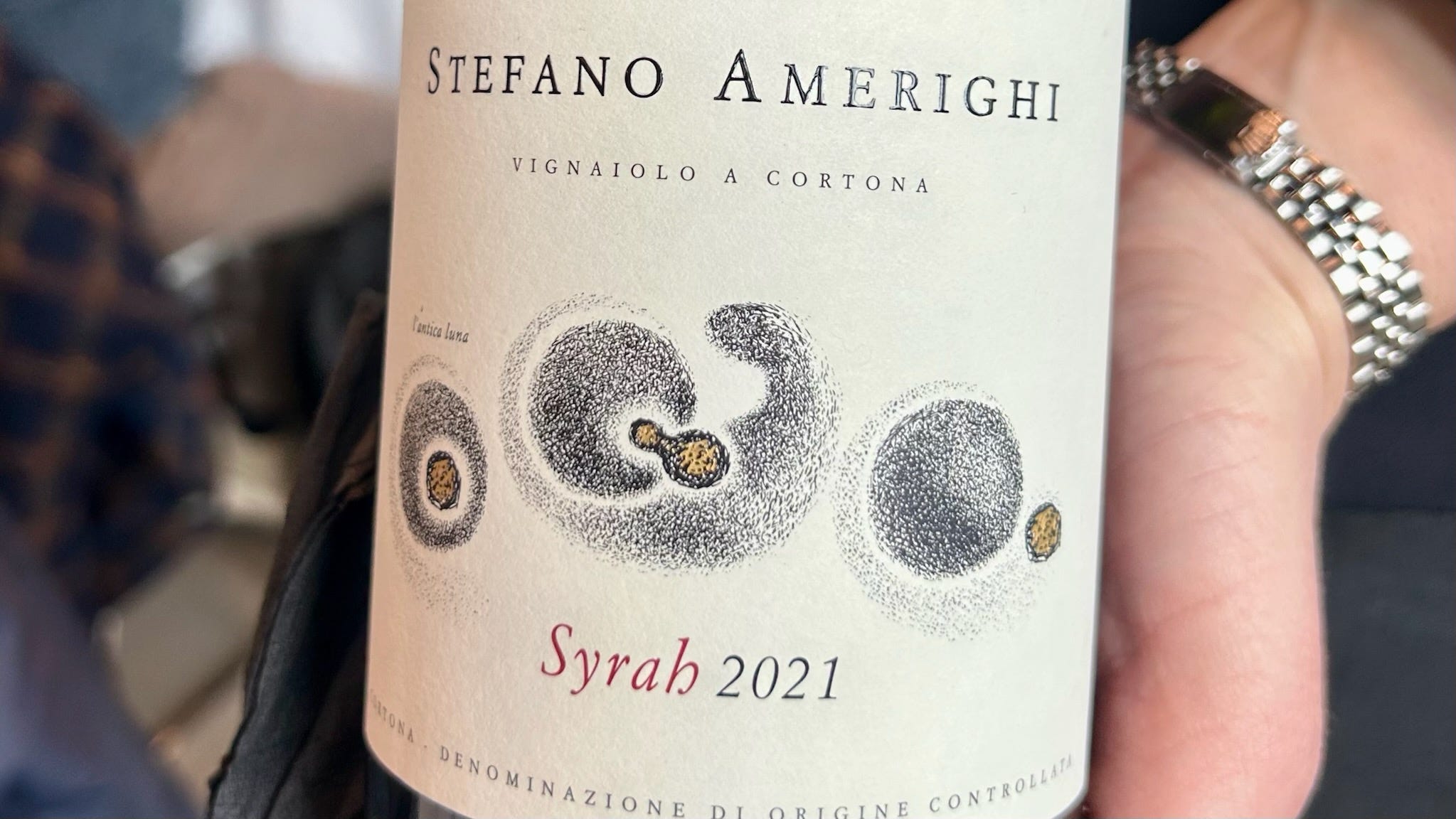
The use of native varieties isn’t the only exciting grape trend happening in Tuscany. Over in Cortona (where Frances Mayes lived in her villa), producers are making some incredible wines from syrah. You heard me right: syrah. How the well-known Rhône variety ended up in Cortona is a bit of a mystery. Even the Consorzio Vini Cortona confesses that it’s unsure of the grape’s origins here: “We think the first plants arrived in the nineteenth century, during the French invasion, or, probably, they were brought by the Count of Montecarlo from Lucca in the early twentieth century, while he was coming back home from a journey in France.”
Regardless of syrah’s murky origins, it’s well established in Cortona by now, with syrah accounting for 80 percent of Cortona’s half-million annual bottles. Cortona may be making some of the most exciting syrah outside of the northern Rhône right now.
The top producer here is Stefano Amerighi, who’s frankly making some of Italy’s best wines at the moment. His beautiful, brooding, dark, fresh, ageworthy syrah set a high benchmark. Other Cortona wineries to watch are Doveri, Fabrizio Dionisio, La Braccesca (from Antinori), and the Dal Cero family’s Tenuta Montecchiesi.
Check Out the “Other Chianti”
When it comes to Chianti, most people focus on the largest and most famous appellation: Chianti Classico. But Chianti has seven other subzones, including Colli Aretini, Colli Fiorentini, and Colli Senesi. I spent a good deal of time tasting the eye-opening wines from the Chianti Rufina subzone, with its high-altitude, cool-climate vineyards and long history of quality winemaking.
Chianti Rufina (not to be confused with the giant Ruffino winery) may not be a total secret: Frescobaldi makes wine here, after all. But Chianti Rufina definitely remains under the radar, though that’s not always been the case. By the 18th century the wines were so popular and respected that Cosimo de’ Medici made a decree in 1716 to protect Chianti Rufina from counterfeiting.
Besides Frescobaldi (whose Nipozzano bottling is still a solid value), I’ve always enjoyed the wines of Selvapiana, Frascole, and Tenuta Bossi Marchesi Gondi. A really good natural producer in the region—who I recently discovered at VinNatur in New York—is Fattoria di Lavacchio, and at the tasting in Florence I dove deeper into those superb wines.
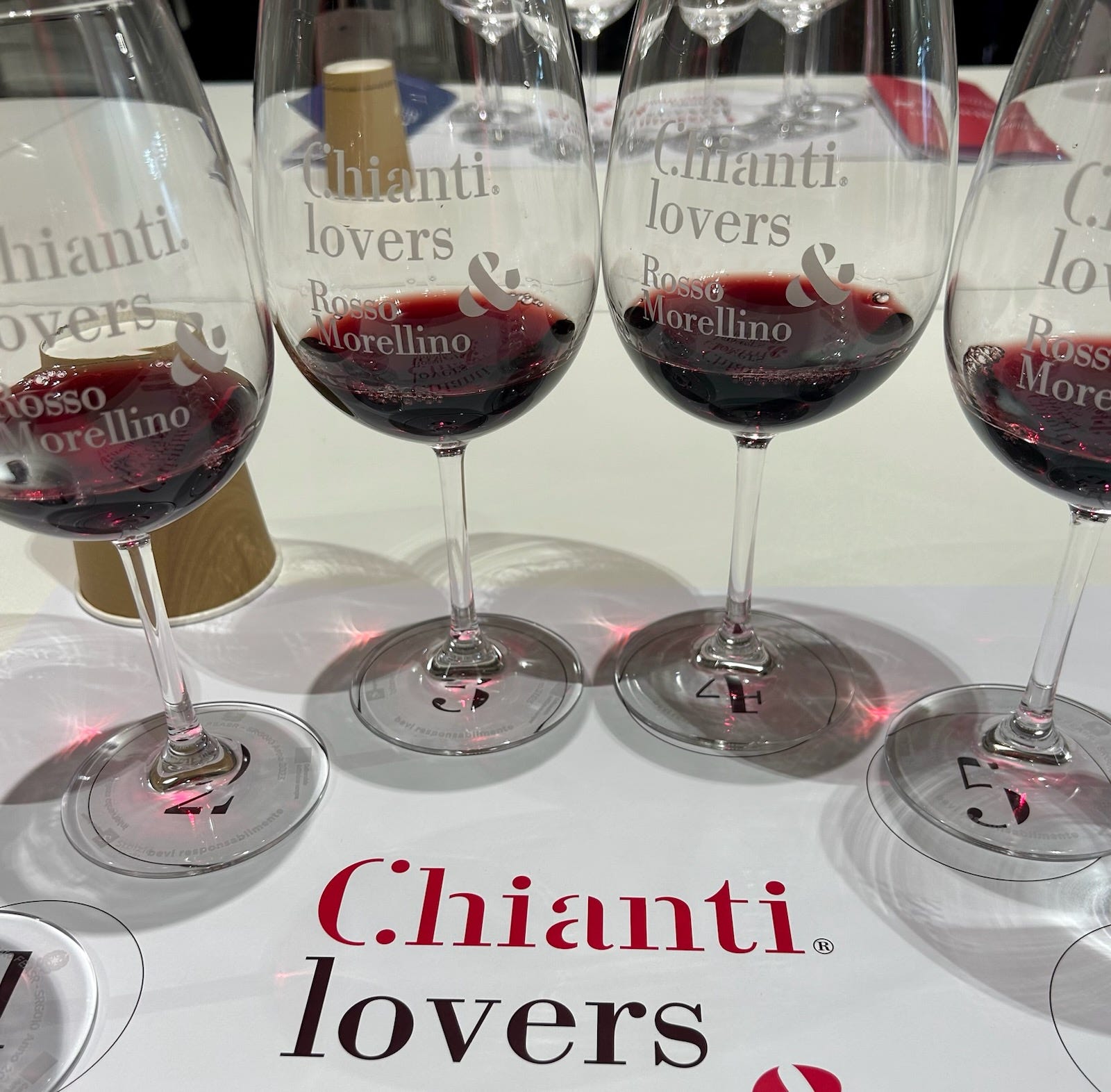
For years, Chianti Rufina had been trying to gain a classification for its top wines—similar to the Gran Selezione classification. Now that’s happening under the Terraelectae mark that producers can elect to cite on their bottles. Terraelectae wines must be 100 percent sangiovese, must come from each winery’s top single vineyard site, and must be aged for 30 months—at least 18 months in oak and another six months in bottle.
The results are serious sangioveses that can stand with the best Chianti Classico Gran, and even some Brunello di Montalcino. Even with the significant oak aging, these are cool, balanced wines that are worth seeking out—especially if you’re someone who loves big Tuscan wines.
Don’t Forget The Whites
It’s not just sangiovese and other reds in Tuscany. These are exciting days for Tuscan whites. The most obvious is the emergence of quality vermentino from coastal Maremma. But there is a lot more white experimentation going on in the lesser-known parts of Tuscany. It runs the gamut from from native grapes like ansonica from Morisfarms to quirky riesling from Maestà della Formica to surprisingly fresh viognier from Possoargentiera to a unique blend of sauvignon blanc and greco (a native white grape of southern Italy) from Sassotondo.
Most of the experiments with non-traditional grapes are bottled outside the DOC or DOCG appellations, as Vino Toscana IGT. That’s where a lot of the next-generation energy is coming from—the region’s budding natural wine scene often labels their wine that way.
Meanwhile, one of the most memorable bottles of the tasting was Maestà della Formica’s Toscana Rosso blend of syrah, gamay, ciliegiolo, and abrustine. For those keeping score, that’s two international varieties, one local grape that’s in the midst of a full revival, and one nearly extinct Tuscan variety. Light, fresh, elegant, a great balance of fruit and spice—it’s a blend that hints at the diversity of Tuscan wine, as well as its exciting future.
A portion of this article was published in the New Wine Review, now owned Unicorn Auctions.
My Tuscan Tastings
20 bottle recommendations and tasting notes are for paid subscribers only. Upgrade today at a discount!