
The Sysco-ification of Wine
How wine culture's lazy "drink what you like" ethos has failed, and why it's time to break out the pitchforks.

Of course, Jason was the jerk as usual, the “wine snob.”
I was at my friend Rachel’s beach house for a happy hour, and I’d been tasked with uncorking the next wine. I opened the fridge to grab the Ampeleia ‘Unlitro Bianco’ I’d brought, and I saw it: the bottle of Chloe chardonnay with the cute bow on the label. Rachel and I have a long-standing joke about her love of buttery Josh chardonnay, and so I shouted to her: “Chloe? Wtf is this? Is this Josh’s age-gap girlfriend?”
But Rachel had not bought the Chloe, some other guest had, and this person heard my dig and immediately got defensive. “You know, Jason, I never know what to bring if you’re at the party,” she said.
I felt bad. In shaming the bringer of the Chloe, I had violated one of the central tenets of contemporary wine culture: the doctrine of “drink what you like,” the idea that any bottle anyone is enjoying is a net positive for Wine. The “drink what you like” ethos, as it’s come to be practiced on social media and in social settings, vilifies any judgement about one wine being higher quality than another, dismissing that judgement as “snobbery.”
Of all the cultural pursuits, wine is the one that most easily gets derailed by accusations of “snobbery.” Wine people are so afraid of being called snobs that they’re always twisting themselves into pretzels. “Drink what you like!” they exclaim, with fake smiles.
In a world of “drink what you like,” one must remain always positive. Even if one wants to advocate for certain wines—made the right way, sustainably, from high-quality artisan producers—one must do so gently. One is discouraged and disincentivized from ever talking bad about the big, ubiquitous brands, regardless of whether or not they are sourced from cheap bulk wine, grown with questionable agricultural practices, or made with manipulation and additives. At least not publicly. To do so is to be seen, at best, a killjoy curmudgeon, and at worst, an enemy of the wine industry.
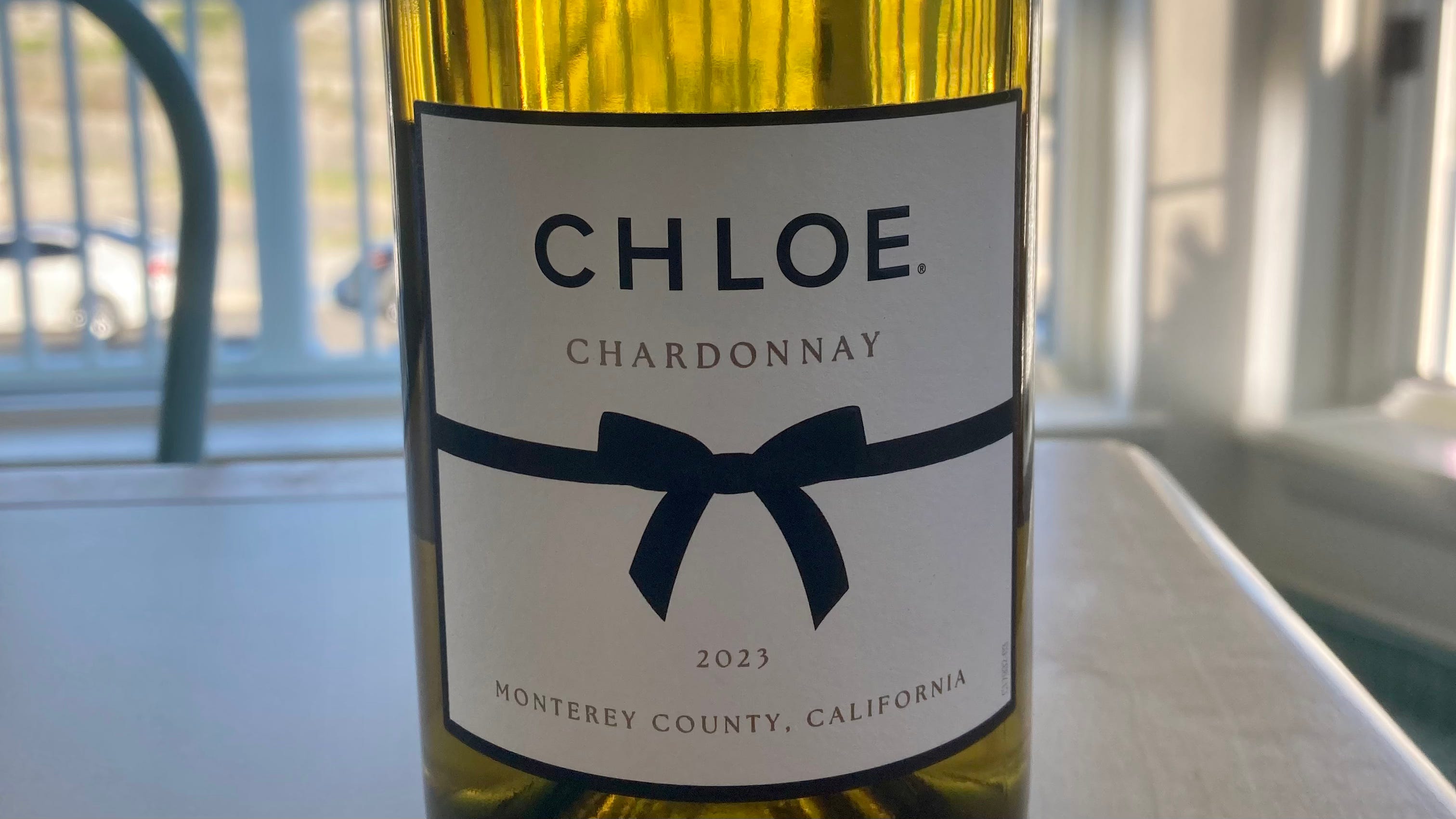
Yet the fact is, the market is flooded with so many poor-quality, branded wines with little transparency. For the most part, we have no clue what is inside the bottle, how it was grown, if anything was added. They leave us wondering how a wine made in California can cost between $11 and $13—the exact price range which is cratering in sales, and is the locus of the wine crisis. Bottles like these demand some critical thinking and questioning on their role in the demise of wine, not a free pass on the back of “drink what you like.”

A few days after my happy-hour faux pas, I found myself in Florida at a busy, popular beach restaurant—the kind of place that’s in every beach resort and is likely a good customer of Sysco. The wine list had 23 still wines. Those wines were: Seaglass Pinot Grigio, Ferrari Carano Pinot Grigio, Unshackled by The Prisoner Chardonnay, Seaglass Chardonnay, The Calling Chardonnay, Jordan Chardonnay, Far Niente Chardonnay, Seaglass Sauvignon Blanc, Silverado Sauvignon Blanc, Crossings Sauvignon Blanc, Hampton Water rosé, Studio by Miraval rosé, Seaglass Pinot Noir, Meiomi Pinot Noir, Belle Glos Pinot Noir, Four Graces Pinot Noir, Seaglass Cabernet Sauvignon, Joel Gott Cabernet Sauvignon, Robert Mondavi Cabernet Sauvignon, Austin Hope Cabernet Sauvignon, The Prisoner Red Blend. Oh, and two offerings from Caymus: a liter bottle of its Cabernet Sauvignon, and The Walking Fool red blend.
That’s a wine list possibly created by a single distributor. It’s the kind of nightmare list that would give a wine lover hives, filled with manipulated, mass-produced wines. Yet this kind of wine list can be found nearly everywhere, all across the U.S., at the sorts of popular middlebrow restaurants that everyday people frequent. In fact, this may be the only kind of wine list that most middle- and upper-middle-class Americans are exposed to. Wine selections like this are so widespread that their ubiquity creates a feedback loop. These wines aren’t popular because people seek them out. They’re popular because, in most cases, it’s the only thing available. To someone who’s only ever been exposed to this kind of wine—at an artificially low price—how can you even suggest a better-made alternative?
This is why the anti-snob “drink what you like” message not only fails, but ends up unequally promoting bad mass-market wines, protecting them from any kind of qualitative comparison with better wines. These mass-market wines are so ever-present and over-available that they’ve superseded even the average consumer’s own personal taste.
But that omnipresence is not by accident. It’s the result of careful business decisions by corporate wineries and their distributors. To explore this further, I’m bringing contributor Caroline Lamb into this piece. Caroline has worked in wine distribution, and her experience includes years selling mass-market wines for a big distributor—before reclaiming her power for good.
Caroline: The View From Inside Distribution
Despite the seemingly endless array of wine choices available in the United States—more than 115,000 new labels are approved by the Alcohol and Tobacco Tax and Trade Bureau every year—it’s all an illusion of choice. What mostly you get are store shelves and wine lists with selections from only a handful of corporate wineries.
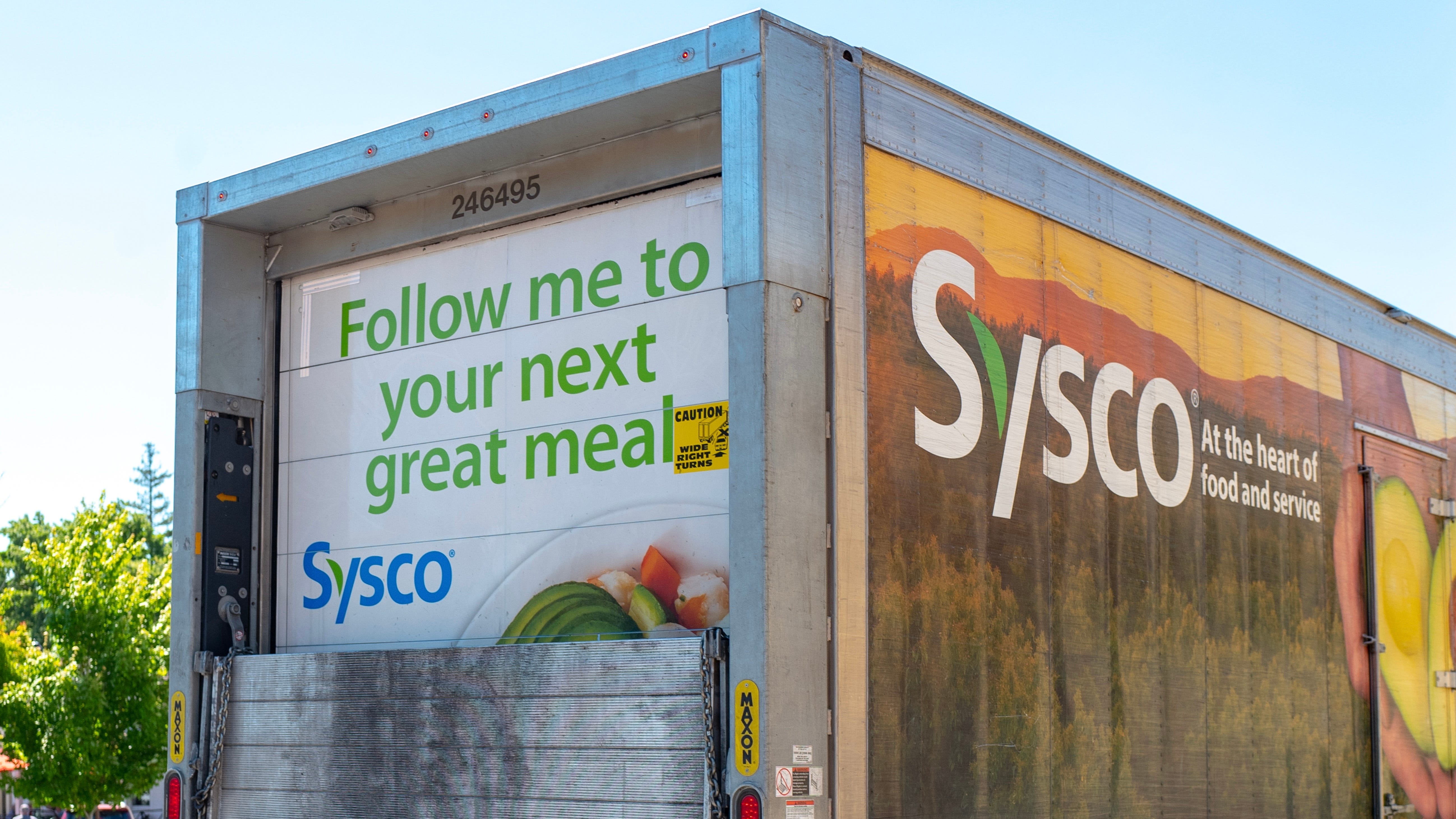
This is no different than the chain restaurant with a 15-page food menu offering hundreds of “choices” for dinner. In reality, the majority of American restaurants are reheating factory-made food supplied by Sysco, America’s largest food distributor.
Criticism of Sysco has recently gone mainstream. There are reels on Instagram and threads on Reddit with millions of views and thousand comments chronicling exactly why a corporate monopoly related to our food supply is bad and should concern anyone who eats at restaurants in America. The Sysco discourse online has us thinking it’s time to talk about the similarities in our alcohol distribution system and exactly how that leads to the pervasive mass-market wine lists that Jason mentions earlier.
According to data published by the American Association of Wine Economists in 2024, 71 percent of wine in the United States is controlled by the top 11 wine suppliers. It is safe to assume that the dominance of these top suppliers has grown in the two years since—thanks to the continued and aggressive mergers and acquisitions happening across the industry. And the consolidation doesn’t seem to be slowing down. Mark Chaplin, president of commercial sales at Southern Glazer’s, the largest alcohol distributor in the U.S., recently told The Spirits Business to expect “continued consolidation across all three tiers.”
A single company, Gallo, controlled 33 percent of all wine in the market in 2023. Since then, they have acquired major players like Rombauer (3.8 million+ bottles annually) and Hahn Family Wines (3.6 million+ bottles annually), as well as newer wineries like Massican (120,000+ bottles annually), Whiny Baby (120,000 bottles annually) and Bev canned wine (10,000+ cases annually).
Over the last twenty years, the number of independent wine distributors has fallen dramatically—from roughly 3,000 in the 1990s to just over 1,000 today. According to 2024 numbers from Shanken’s Impact Databank, the three dominant players in distribution—Breakthru, RNDC, and Southern Glazer’s—controlled 53 percent of wine and spirits distribution in America. RNDC, formerly the second-largest distributor with roughly $12.2 billion in yearly sales, is no longer a player. The company has been in a years-long tailspin and now is selling off its remaining business to a handful of distributors nationwide. Which means even greater consolidation.
Following Breakthru’s recent acquisition of RNDC’s joint ventures in Indiana and Kentucky, the company has grown into the second-largest distributor nationally, with projected revenues nearing $8.7 billion. That figure is eclipsed by Southern Glazer’s, which at $26 billion in projected revenue controls roughly a third of all distribution outright.
A whopping 81 percent of wine sold in the United States moves through just the top ten distributors—mirroring the same concentration of power we see at the supplier level. With portfolios at these large distributors comprising upward of 7,000 brands, only wineries with serious marketing budgets and a dedicated sales rep in every market get placements. Smaller wineries get completely lost in the mix.
When honest tactics fail to deliver the growth these suppliers demand, the game gets dirty. I can say that from experience. From within the business, you often hear of shady corporate suppliers offering “programming”—code for free goods—to secure coveted by-the-glass placements on restaurant menus or floor stacks in retail stores. The practice is illegal, but it’s so normalized at the distribution tier that even some small- and mid-sized distributors play along just to compete with the major players in their market.
What happens when free goods start flooding the market? Restaurateurs already running on razor-thin margins see a chance to make extra money in exchange for loyalty to one manipulative distributor. These distributors mostly sell wine manufactured to taste the same year after year, operating largely outside the normal constraints of agricultural scarcity. The public accepts this because companies like Sysco have conditioned us to forget that produce is finite and seasonal. Nothing worth putting in your body should be produced at near-infinite scale, available at any time.
Given that most suppliers mark up their wine 50 to 100 percent from production cost, most suppliers can easily absorb the cost of a free case here or there. But when suppliers give in to the pressure of the free goods game, it plants a seed: Their wine isn’t worth what they're charging for it. That cheapens the value of wine across the board and, more critically, at the ground level where taste actually gets shaped: Among the restaurant and retail buyers deciding what reaches the rest of us.
The end result is that consumers experience only a fraction of the wine available in the U.S. How could they ever drink what they like if they haven’t experienced enough wine to even know what they like?
Yet the “drink what you like,” all-wine-is-good narrative is strictly followed in the industry. That’s because no one knows who they might one day wind up working for. There is an unwritten rule when you work for a big distributor who reps the corporate suppliers: Never talk badly about another winery—even if you know their wines are shit—because next week’s acquistion by one of your corporate suppliers might leave you selling that same wine next week.
This refusal to call out any wine—or even to engage in honest critical comparison—has normalized wine lists full of questionable quality across the country.
Back to Jason: The Cheesesteak Egg Rolls of Wine
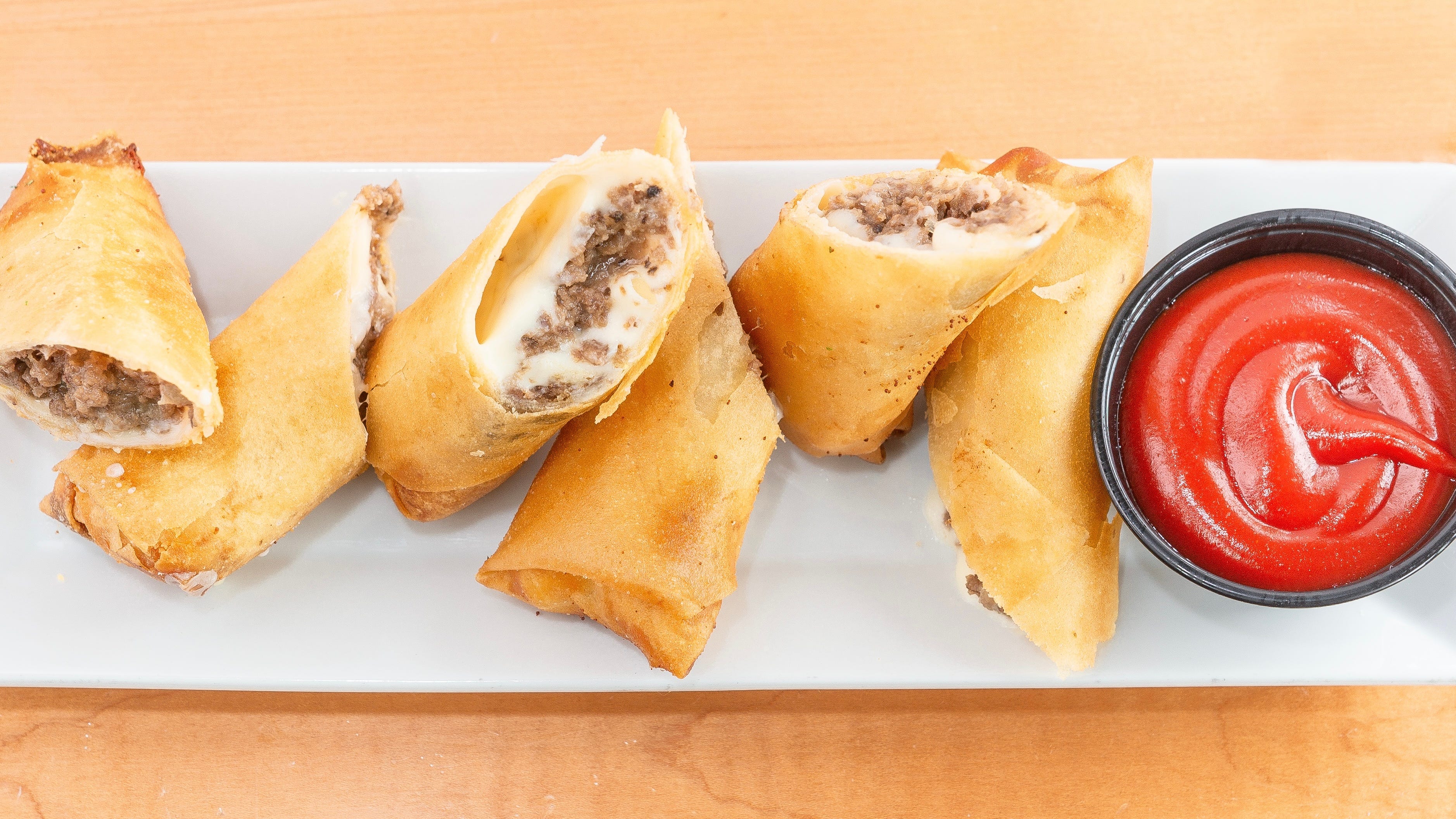
Around the turn of the 21st century, some chef in Philadelphia invented the cheesesteak egg roll—a cheeky take on Philly’s most famous food item. The cheesesteak egg roll was a fun, inventive bar snack, and you quickly started seeing them on menus all around the region. Soon enough, however, big corporate food distributors jumped on the cheesesteak egg roll and started selling pre-made, fully-cooked versions that restaurants could just reheat and serve. By now, the corporate cheesesteak egg roll is a pervasive bar menu item. Its presence signals something about the kitchen to the observant diner. I have friends who’ve become skeptical about eating at a place that has a cheesesteak egg roll on the menu.
I hope wine drinkers become equally observant and skeptical about seeing certain corporate wines on wine lists. The wine world needs to drop the “drink what you like” act and start calling out poor-quality wines that exist simply because of sheer marketing will.
Wine culture and the wine industry are not going to be saved by playing nice nor by being polite and accommodating to the big brands—big brands, to be clear, who would be more than happy if smaller artisan wineries disappeared from the face of the earth. It’s time to break out the pitchforks, folks.
In the comments below—in our Everyday Drinking safe space where “drink what you like” doesn’t apply—tell us which wines are on your personal reject list, the ones that signal to you that a wine list was written by corporate interest.


Bravo well stated! I do cringe at wine lists as there are so many good ones out there. I would love to see more insight to music venues, casinos and sports areas that carry bad wines that I cant drink most of those wines anymore although at one time I did and liked them. Dark Horse and St Michelle both have great reasonable wines that are still better values that could be served. The Prices are outrageous on these wines as well at venues.
Jason, this is a great piece! Can I share it on my wine shop socials?