
On the Martini, Dirty and Otherwise
It's the dirty martini's world and we're just living in it.
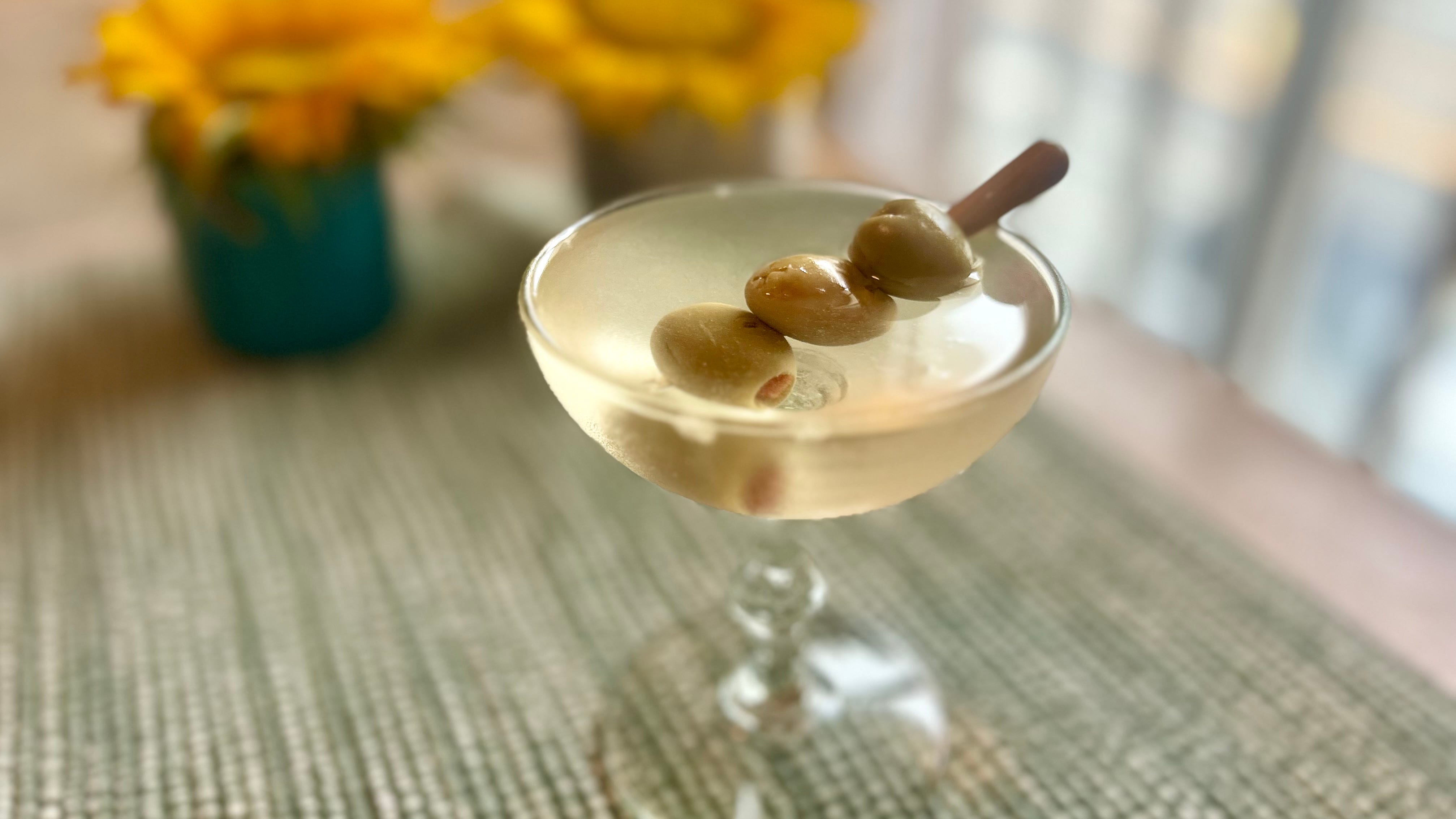
On Monday, food writer Alicia Kennedy published an excellent essay on the dirty martini in her newsletter (definitely consider subscribing). Alicia herself is not a dirty martini lover. She takes her martini the same classic way I take mine: Beefeater gin and Dolin dry vermouth, stirred and garnished with an olive. When Alicia recently passed through Philadelphia on the book tour for her memoir, On Eating, we enjoyed a few martinis together.
In “Notes on the Dirty Martini,” she talks about how the prevalence of the dirty martini has skewed classic martini orders:
If you order an olive—an aceituna, if you will—as your garnish for a martini, as I do, you also must specify that you do not want it dirty. The bartender will assume dirtiness and pull out tins for shaking rather than a mixing glass for stirring. I don’t know whether this has always been the case, or whether it’s a symptom of the current popularity of this specific variation.
Dirty means there’s an addition of olive brine to the cocktail. There are people who think a “filthy” and “icy” (meaning shaken) vodka martini are the pinnacle of the beverage: I don’t agree with them. This is not a categorical imperative; I’m not Kant. I just have some thoughts on how the brine obsession has affected my martinis negatively.
Despite her reluctance to engage with the dirty martini, Alicia lays out some basic rules. A dirty martini differs from a regular martini in that it must always use vodka (brine doesn’t play well with juniper-kissed gin). Also, it must always be shaken and not stirred. Finally, the olives must be chilled in the fridge so they don’t bring down the drink’s temperature.
I concur, though I haven’t always. I’ve always said that a real martini (dirty or otherwise) must always use gin, but over the years I’ve come to realize that vodka is simply better in the dirty martini. My ratio is 2 ½ ounces of vodka, a half-ounce of dry vermouth, and a half-ounce of olive brine—shaken, strained and poured with cloudy majesty, and garnished with several skewered olives.
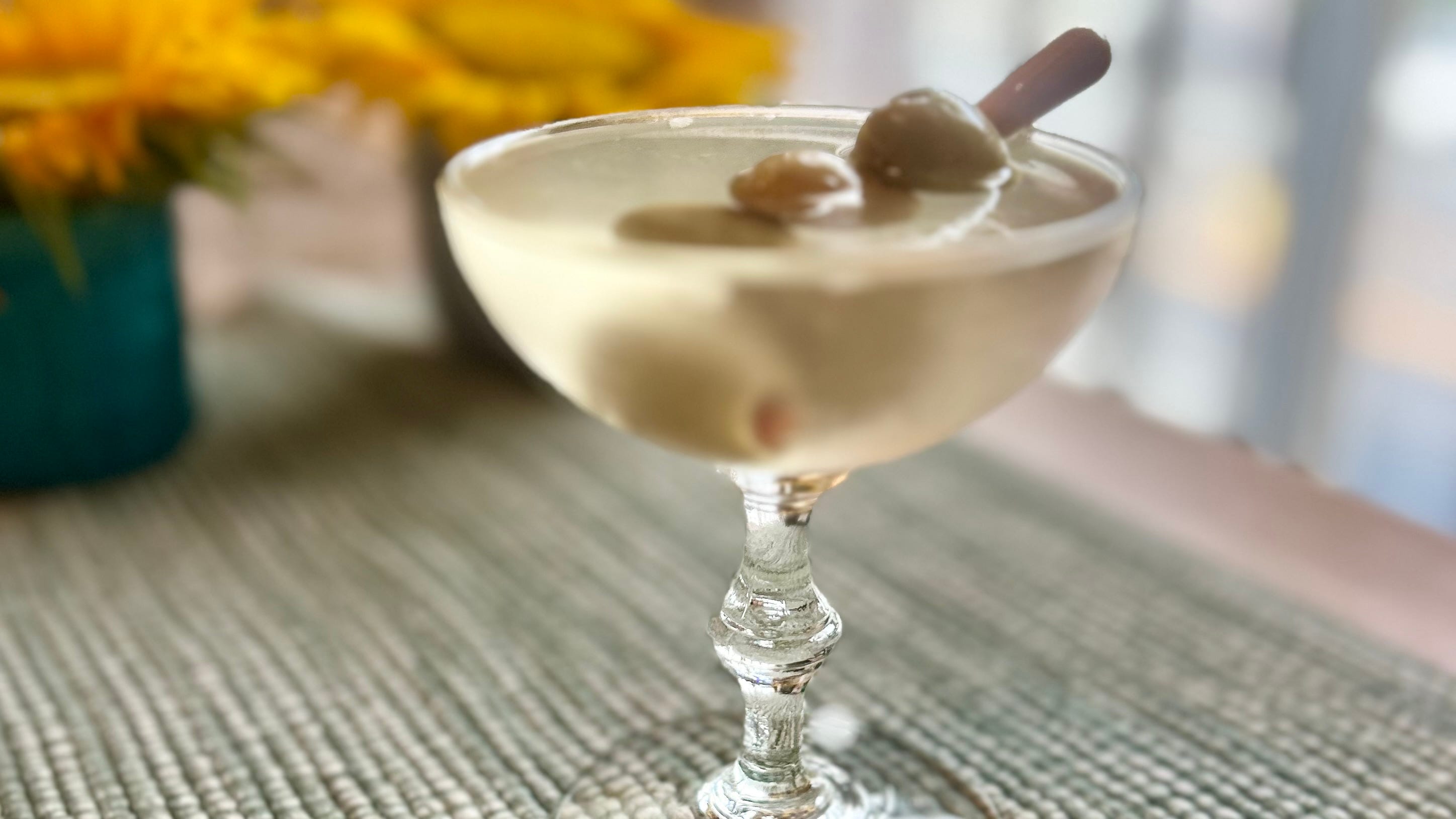
Dirty martinis certainly meet that 21st century demand for more robust flavor. The taste of olive and its brine brings a divisive flavor that has both lovers and haters.
Among the mixology crowd, there’s generally been a vague sense that the dirty martini is sort of…well…not what Cocktail People drink. It’s not trashy or declassé, per se. It’s not in the same category as, say, the Long Island Iced Tea or Fuzzy Navel or Appletini. But still. I don’t know if the dirty martini gets more side eye than the espresso martini, but it definitely gets side eye. In Alicia Kennedy’s essay, she addresses this. “I will admit to finding a dirty, and especially a ‘filthy’ martini to be a bit tacky, ok? The cloudiness of it! The iciness! But I can understand the desire,” she writes.
I believe the dirty martini can still claim status as a “classic.” It has a history. According to the Oxford Companion to Spirits & Cocktails, adding olive brine to a martini has been around since at least 1901, served with muddle olives at the bar of the famed Waldorf Astoria.
Though he didn’t call it a “dirty martini,” Franklin Delano Roosevelt loved using olive brine in his martini. Roosevelt “was reported to have splashed a bite of brine in his drinks at the White House,” writes Robert Simonson in his book, The Martini Cocktail. “Because of this, many have called FDR the author of the dirty martini.” Legend has it that he poured dirty martinis for Stalin and Churchill at the Yalta Conference in 1945 as they discussed post-war Europe. A sketchier legend claims Stalin actually put the idea into Roosevelt’s head.
But at this point, the popularity and ubiquity of the dirty martini goes well beyond its place in the glass. “Dirty martini” as a conceptual flavor trend has likely entered the same realm as “everything bagel” and might be nearing the status of “pumpkin spice.”
“Dirty martini” seem to have already overtaken the space formerly occupied by the “bourbon-flavored” phenomenon. We live in a world where you can find bourbon-flavored toothpicks, bourbon-flavored maple syrup, bourbon-flavored cigars, and bourbon-flavored Dr. Pepper. Whiskey expert Susannah Skiver Barton wrote about this trend, which she called “Creeping Bourbon Effect,” for Everyday Drinking a few years back. As Barton writes:
Why is this happening? The bourbon boom, of course, has everyone scrambling for a piece of the pie. But more insidious, and powerful, is the changing palate of the bourbon drinker, which now demands more robust flavor (and often concurrent higher proof) than that which was offered in the past. This may be part of a broader shift toward more flavorful food and beverages generally, reflected in the 21st-century ubiquity of foods that would have been unusual by most Americans’ standards even a generation ago: sriracha, queso, kale chips.

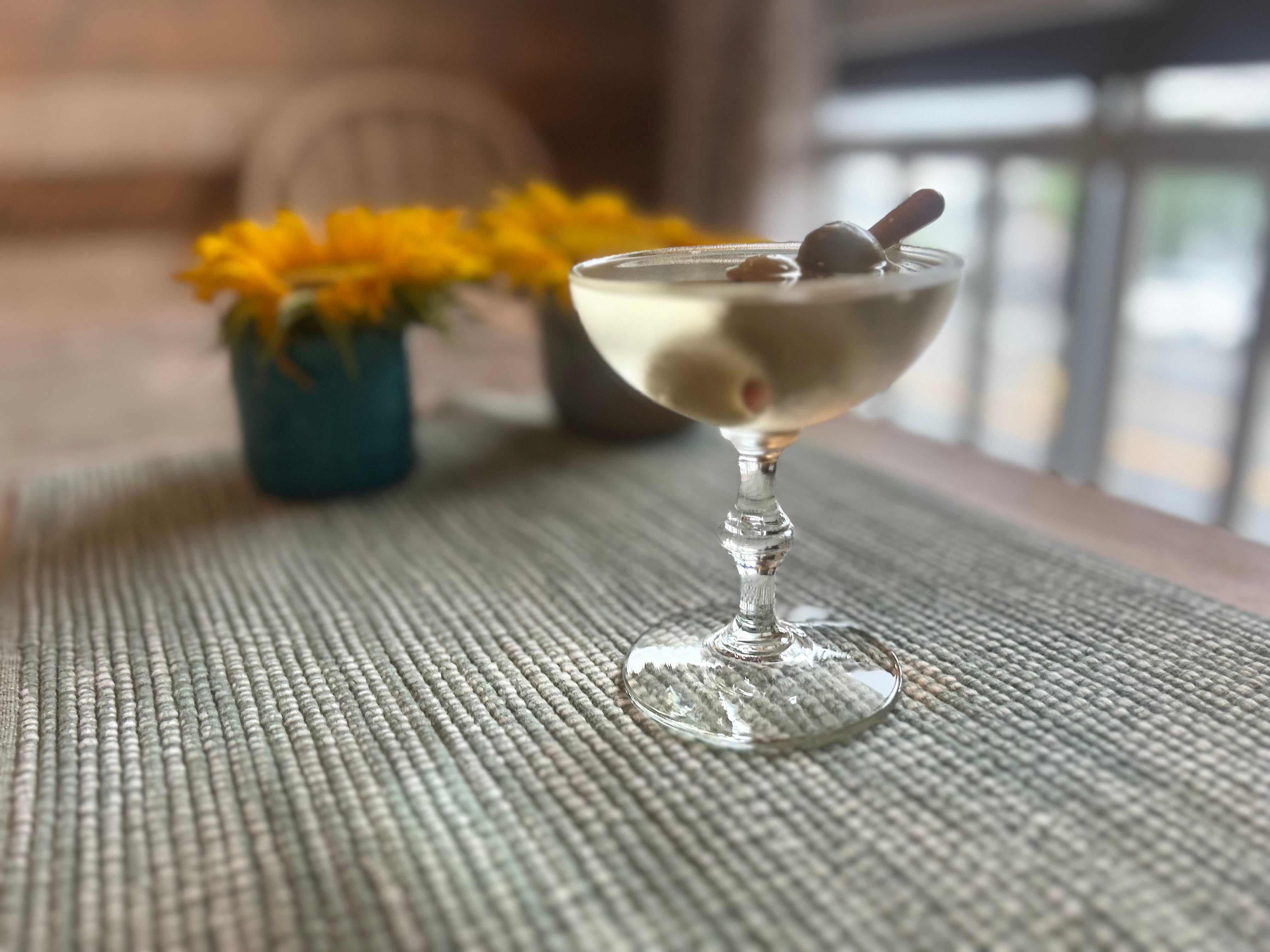
Likewise, we are now seeing dirty martini ice cream, dirty martini scented candles, and dirty martini desserts. I wish I knew why, at this moment in human history, the dirty martini is having its flavor moment. Perhaps my readers have some idea of why?
I believe I saw the beginnings of this dirty-martini-flavored trend a few years ago, when I worked as writer on the “trend team” at Taste of Home. The job often involved chronicling viral TikTok mashup recipes. Whether it was lasagna soup, cowboy butter, crispy sushi rice waffles, kimchi grilled cheese, caviar and Doritos, cheese-wrapped pickles, or Dr. Pepper cupcakes—if it was a mashup or hack that has several millions views on TikTok, I’ve likely made it and written about it.
During that time, I cooked a dish called Dirty Martini Pasta and wrote an article about it. “This is like, if you took a dirty martini and made it into a pasta,” said the TikTok creator, legallyhealthyblonde, who developed the recipe. As I explained in my article:
When I first saw that a recipe for dirty martini pasta was trending on social media, my immediate thought was: Why didn’t someone think of this before? After all, people love dirty martinis and they love pasta…
Just like everything bagel seasoning or bourbon-flavored stuff, “dirty martini” has become a super popular flavor descriptor for food beyond cocktails. We’ve seen the rise of dirty martini salads and dirty martini deviled eggs, for instance. So dirty martini pasta just makes sense.
Dirty Martini Pasta, despite a catchy name, has its basis in classic pasta flavors—olive, lemon, garlic, parsley, oil, butter (I’ve included the recipe below). The only element that might make an Italian mad is the optional crumbling of blue cheese, or perhaps de-glazing the saucepan with gin. The Dirty Martini Pasta is likely less offensive to Italians than my own experiments with pesto (as I wrote about in “God and Pesto are Dead”).

In the end, like Alicia Kennedy, I generally avoid the dirty martini and stick to the real thing, with gin, vermouth, and a solitary, briny olive. A few months ago, I posted my own martini manifesto, and I will leave you with this:
More than a decade ago, I wrote columns insisting that the Manhattan was a superior cocktail to the martini (“more complex” and “more flavorful”). I was wrong. As I get older, I realize that a martini is clearly superior. I find myself making more of them these days, often in my grandmother’s martini pitcher with the etched seagull. Recently, I’ve decided I like them with more gin—more of the juniper bite—and less vermouth. Or maybe I’ve always liked them this way, but for whatever reason have always been trying something different.
I don’t exactly know what’s made me reconsider something as basic as the martini. Maybe it’s been seeing my sons and their friends “discover” the dry martini for themselves. Maybe I’m just finally willing to embrace some of life’s truths and certainties—even if it’s simply a 5:1 ratio of gin to vermouth.
I’ve often quoted H.L. Mencken’s famous assertion that the martini is “the only American invention as perfect as the sonnet” and there’s certainly something poetic about it.
But by a certain age, trust me, too much poetry—frankly, too much talk, too much texting, too much communication in general—can be a recipe for disaster. Better just to focus on gin, vermouth, and bitters in the way you like it best.

Dirty Martini Pasta
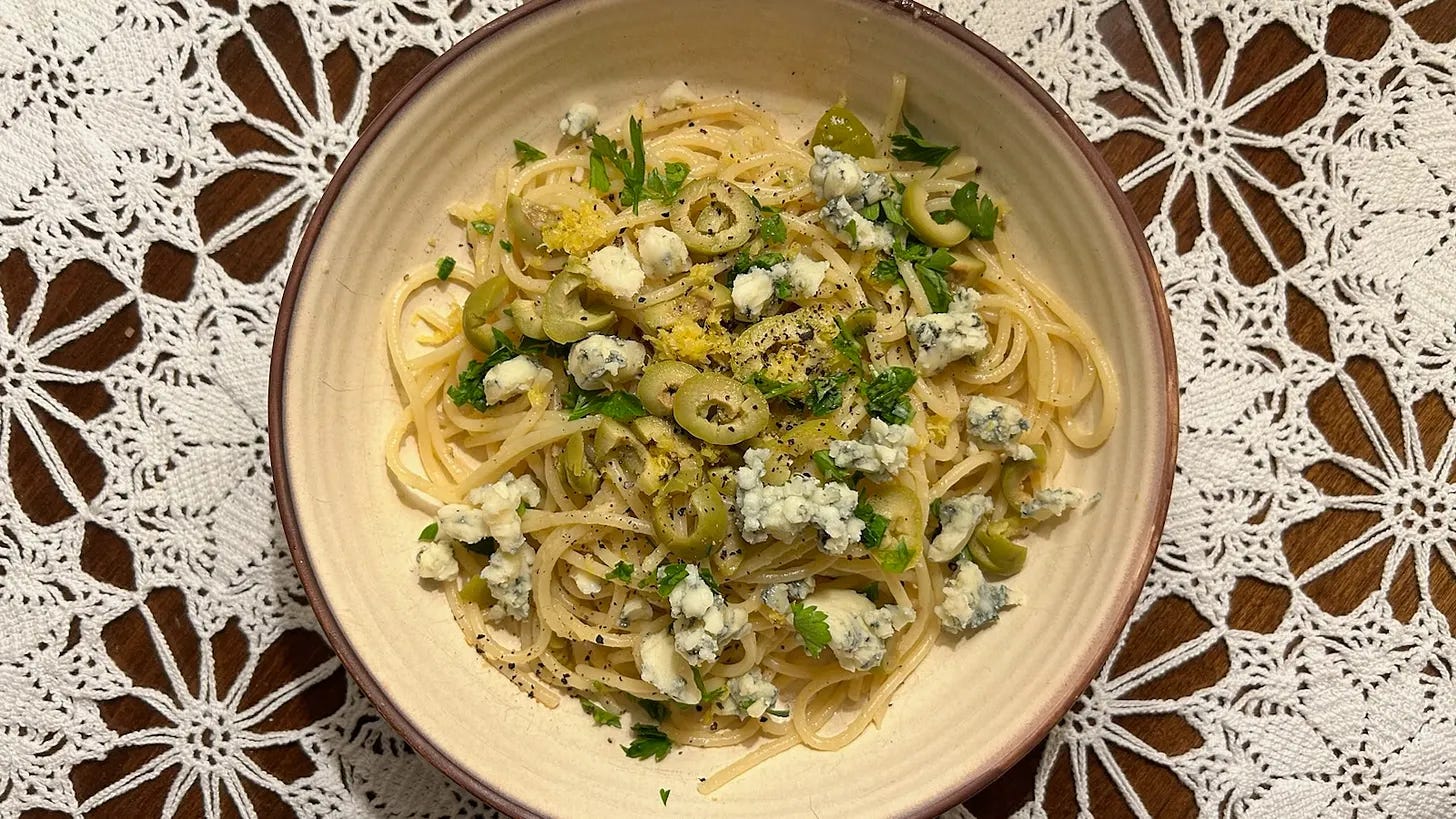
People love dirty martinis and people love pasta. Mixing the two was inevitable. Depending on your level of traditionalism—or how Italian you are—this is either an innovative idea or a heretical abomination. Castelvetrano or manzanilla olives work best.
1 pound spaghetti, linguini or other long pasta
4 tablespoons butter
2 tablespoons olive oil
3 cloves garlic
20-24 olives, pitted and chopped (10-ounce container)
Zest of 2 lemons
2 tablespoons gin
3 tablespoons olive brine
Juice of one lemon
Salt and pepper to taste
Crumbled blue cheese (optional)
Parsley, freshly chopped
Boil the pasta in salted water according to the directions on the package. Drain the pasta, then toss it with a tablespoon of butter. Reserve some of the pasta water.
Heat the oil in a saucepan over medium heat. Add the garlic and cook it for 1 minute. Add the chopped olives and lemon zest. Cook them until garlic turns golden.
Add gin to deglaze the saucepan, stirring until it evaporates. Then add the olive brine, lemon juice and 3 tablespoons of butter, stirring until they’re combined.
Add the cooked pasta to the saucepan, toss to combine, and season it with salt and pepper to taste, adding reserved pasta water if necessary to make the pasta creamier. Top the dirty martini pasta with more chopped olives, parsley, lemon zest and blue cheese (if desired). Serves 4.