
Does Wine Education Need a Rebrand, or a Rebuild?
WSET has changed its logo, but will it also change its curriculum?

A few weeks ago, the WSET unveiled what it’s calling a “brand refresh” and others in the trade are calling a “major rebranding exercise.” Out is the old official name, Wine & Spirit Education Trust, in favor of just the acronym. Also out is the old “wine goddess” logo, a design move that feels oddly similar to Cracker Barrel canceling the old man in its logo last year. Hoping it works out better for WSET than it did for Cracker Barrel.
In an interview with The Buyer, WSET’s chief executive Michelle Brampton said the rebranding was “more than cosmetic.” She explained the “brand evolution” as “making WSET more accessible, recognizable, and relevant to a global audience, regardless of geography, language, or drinks category.” Amid the expected corporate talk of being an “organization that inspires, connects and champions inclusion, sustainability, and innovation,” Brampton said:
“Research told us that the previous brand was trusted, which is important to maintain, but that it felt wine-focused, overly academic and formal. It wasn’t always seen as empowering or inclusive, and that’s important to us too…
Our tone and language are evolving too, we want everyone, whether a trade professional or an enthusiast, to feel they belong.
She also mentioned that the WSET pin badges were “redesigned in sustainable materials.”
What I did not see addressed was the actual education—whether the curriculum, the materials, or the cost had changed. If WSET feels it’s become too “wine-focused,” what does that mean for its wine education? More emphasis on spirits and cocktails? On beer? On sake?
Almost three years ago, I asked the question, “Is It Finally Time for a New Wine Education?” I wasn’t talking about redesigning the logo.
What I don’t understand is why wine media, professional training certifications, and wine education in general still follows the same curriculum. In every other realm of culture, the canon has been questioned and often blown up. Visual art has not been governed by The Academy for more than a century. We don’t read solely the Dead White Males in lit class anymore.
Maybe to put this in more simple pop-culture terms. I’m old enough to remember that, in the 1990s, Nirvana, Pearl Jam, Smashing Pumpkins and their ilk were considered “alternative” rock. They were the alternative to “classic” rock like Led Zeppelin, The Who, Bad Company, Boston…whatever 1970s bands my generation was force fed on the era’s classic-rock radio. Eventually, the tide turned, and now what was once was alternative has become mainstream and old hat. I think we all understand how this happened. The same thing is happening now in wine.
To meet the current moment, I believe we need to envision what a new wine education looks like. It’s not about throwing away what’s “classic.” But it’s also about accepting that the alternative is becoming the mainstream. Part of the problem is language—what do we call these new categories? And part of the problem is curation—what of the newly popular wines are worth learning about and what’s a fad. These are questions worth trying to answer, rather than ignoring them.

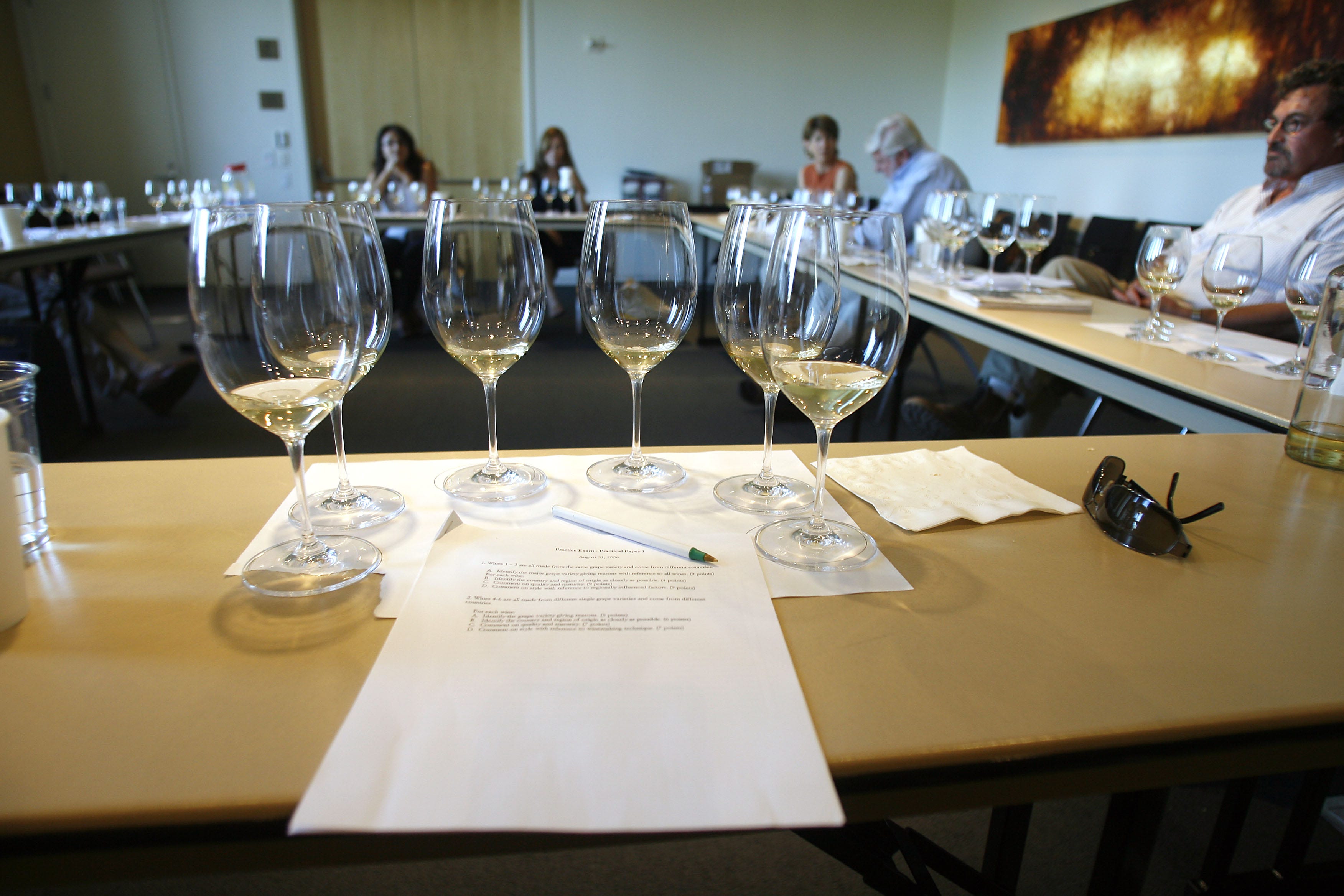
Wine does not have a “knowledge gap” problem. Knowledge abounds. People can access every wine fact known to humankind at their fingertips. If they seek more education, there are more than 100,000 people holding WSET certifications. Almost 15,000 hold the DipWSET. That should be more than enough educators to spread wine knowledge throughout the land.
The answer to wine’s problem is not more knowledge. The answer is in the translation of that knowledge. Wine has a communication problem. WSET is great, knowledge is great. But we need a wine education that veers away from treating wine knowledge like an expensive, wine-themed game of Quizzo. We also need to start teaching wine educators how to actually communicate all that knowledge. I don’t believe that any of the certification organizations are teaching wine communication effectively.
Too often, the solution offered to this communication problem is to “de-mystify’ wine. Caroline Lamb addressed that a few weeks ago in her viral essay, “Gen Z to Wine: Please Stop Condescending To Us.”
I’d argue this idea that wine needs to be dumbed down is more condescending than any of the exclusivity it claims to be fighting. Embedded in the entire demystification agenda is an unspoken assumption: That young people need wine to be easier because they can’t handle complexity, aspiration, or even a simple conversation with a sommelier, that the only way to engage young people is to meet them at the bottom rather than invite them up.
I am not a WSET hater, and I say all this with love. Because here’s a fun fact: based on my surveys, more than a third of Everyday Drinking readers hold some sort of drinks certification. So, dear readers, I would like ask you: what might a new wine education look like? What is currently missing from the curriculum? What was missing from your experience? What could be improved, deleted, evolved? Let’s start this conversation.
Most of us (credential holders) got into wine for a particular reason and were self motivated to learn more. Most consumers, just want to be able to pick up "something good" to drink. In teaching about wine, if we aren't focused on the customer perspective/experience, we've missed the point. Teaching wine geeks is different than a general consumer experience.
I love this subject. Thanks for raising it. But does the body of knowledge really change? Really? It still is and must be : history, region, variety, technique. Choose to spend more time on one region or another, but the focus is the same. More importantly, this education is not for the consumer. It’s for the extraordinarily small number of people who MIGHT end up interacting with consumers. Trust the students to discern what their audience might want or need or benefit from.