A Lil' Liter Love Letter for Spring
Inexpensive wine in bigger bottles is the wine for our times.
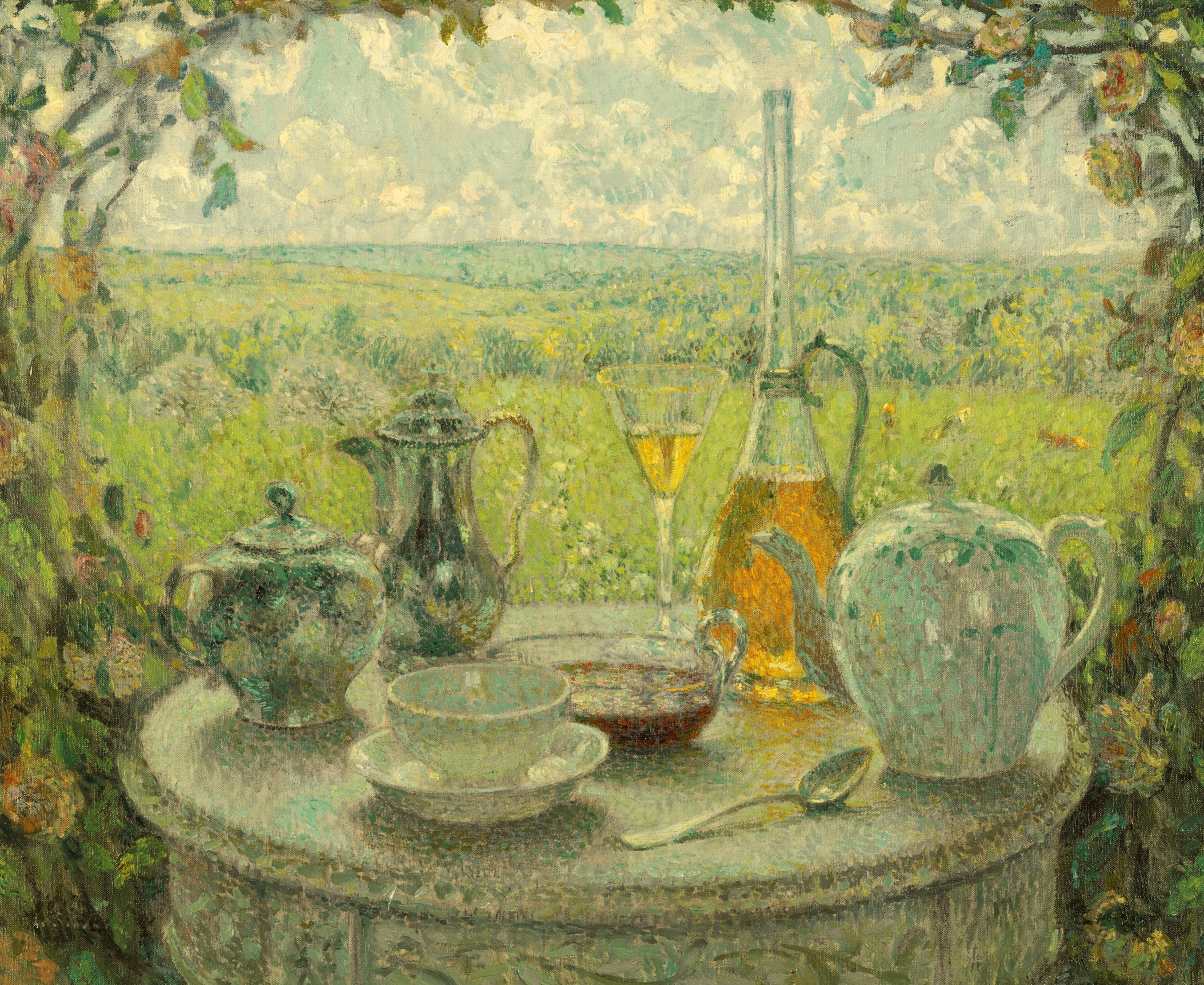
“Spring is here. Do you care?” That’s the headline of a piece that ran last weekend in The New York Times Style section. Spring, according to the article, has fallen far behind autumn—with its cozy, sweaters-and-pumpkin-spice vibe—as Americans’ favorite season.
Spring, by contrast, can seem so muddy and disappointing. It is seen as a time of wildly fluctuating temperatures and pollen-induced sneezing fits. Recent surveys of Americans’ seasonal preferences place it a distant second or even third to autumn, the runaway winner.
But now, as crocuses and snowdrops pop up from the ground after months of bitter weather across much of the United States, there are signs that spring may be primed for a cultural comeback.
The article suggests that Spring is in dire need of a rebrand. In fact, they brought in the creative director of a marketing firm, Jamie Falkowski at Day One Agency, and asked what, if Spring were his client, he would to do improve the season’s image:
Mr. Falkowski emphasized that a successful campaign would account for the negatives associated with the season—Tax Day; mud; allergies; the sense that one minute you’re shivering in a puffer coat and the next you’re cursing the heat and humidity. Once that was dealt with, he would try to spin spring’s brevity and unpredictability into a positive.
“The line I would try to build around is: ‘Don’t Sleep on Spring,’” Mr. Falkowski said. “We’d try to build a full 360 campaign. I’d try to find a creative who could capture the essence of the season really well.”…I’d want to bring in someone to build out the dream message: ‘Hey, this season is short — don’t sleep on it!’”
Well, good luck with that, I guess.
I’m not sure this moment is really the right time for a spring rebrand—what with the grim job market and the ongoing affordability crisis and the AI taking over everything—as well as the U.S. government’s insane, deadly flirtation with World War III.
And yet, spring is now most certainly here, a reprieve from what has been an especially cold and snowy winter, at least in the northeast. Baseball season starts tomorrow. It’s sweatshirt-and-shorts weather. People are posting Mary Oliver poems on Instagram (“Well, who doesn’t want the sun after a long winter?”). Perhaps this is not enough to totally forget about the bad things, the world on fire, but at least we can be thankful for some sunny days.
I also know a lot of us are nearly broke. So instead of spending $22 for a single glass at a wine bar, why not take that money, buy a liter of wine, and bring it to the park with some cheese and bread for a boozy picnic.
Last spring, my newsletter about wine in liters was one of my most popular posts of the year. And so, over the past few months, I’ve been on the lookout for liters I love to recommend again this spring.
We’re definitely still in a Liter Renaissance of good, honest, crowd-pleasing wine in larger format bottles. It’s one of the best micro trends happening in wine right now. Even a dummy can understand the appeal: Why spend $15 or $25 on the usual 750 milliliters when you can get a third more wine for basically the same price?
This year, all of my liter picks were under $30, several under $20. What am I looking for in a good liter? Lower alcohol, good acidity, freshness, juiciness, little or no oak. Reds that can be slightly chilled, whites that have some structure. Wines that can move from late afternoon into dinner and pair with a lot of different foods. And that elusive concept: Drinkability.
A Load of Liters To Love This Spring
Eight liters from $15 to $26 that are perfect for your sunny spring picnic.
Normally, I put my bottle recommendations behind the paywall, but today, I guess I’m feeling spring fever vibes and would like to share them. If you appreciate what I do at Everyday Drinking, please consider supporting the work by upgrading.


Felix R&B ($15)
An exciting new collab from importer Winemonger and Stefan Wellanschitz of Kolfok from Burgenland, Austria. This is a blend of blaufränkisch and rotburger (they chose to use the local name of zweigelt to avoid its complicated and controversial associations). But there’s nothing complicated or controversial about this juicy, crunchy, fresh, and delightful wine with a great balance of savory herb, red fruit, and peppery notes. A wonderfully affordable spring red.
Cocchonnet 2023 ($26)
This fun, bright, peppery rendition of gamay comes from Côte Roannaise, which is technically a part of the Loire, but often considered the unofficial “11th Cru of the Beaujolais.” The name means “little piggy,” which is also the name for the tiny ball used as the target in pétanque. It’s a perfect chilled red with lots of zest and energy.
Milan Nestarec ‘Běl’ 2024 ($26)
Milan Nestarec is a natural-wine star from the Moravia region of Czechia. He bottles his least expensive wines in liter bottles with a crown cap—and frankly, I wish more producers did it this way. This is an exciting, fresh blend of grüner veltliner, welschriesling, and müller-thurgau. Like all of Nestarec’s wines, it’s got great acidity and minerality, and
Milan Nestarec ‘Růž’ 2024 ($26)
The name means pink, but is this a rosé or light red? Does it matter? You’re going to chill it either way. This is a delicious blend of blaufränkisch and zweigelt from Moravia, that’s fruity and earthy, a little wild, very fresh, and exactly what you want to drink on a spring day.
Ampeleia ‘Unilitro’ Toscana Rosso 2024 ($19)
Still one of the best-value reds you can find, from anywhere. From Tuscany’s coastal Maremma, it’s a rather non-Tuscan blend of grenache, carignan, mourvèdre, sangiovese and alicante bouschet, aged six months in cement. Bright, popping, slightly tingly, with tart cherry with an underlying earthiness, a touch of natty in the very best way. This is a collaboration with Elisabetta Foradori, one of Italy’s legendary low-intervention, biodynamic producers, whose teroldego wines I have always loved.
Wonderwerk ‘Big Orange’ 2024 ($25)
Yes, the label looks like it’s inspired by 1970s kids television (Schoolhouse Rock?) and this California skin-contact blend is as fun and sunny as it promises. Made with a very untypical California blend of 43% muscat canelli and 15% sauvignon blanc from Clarksburg, and 33% symphony (a weird cross of garnacha cris and muscat of alexandria that you can find in San Joaquin). Notes of orange peel, apricot and citrus blossom, and surprising good structure. A crowd pleaser.
Kiki & Juan Blanco 2024 ($17)
The liters by this Spanish négociant—who sources organic grapes from Utiel Requena DO in Valencia —are getting super popular in the U.S. (I saw it for $22 at Erewhon if you want to overpay). This blend of 90% macabeo and 10% sauvignon blanc is fermented on native yeasts and spends 9 months on the lees in stainless steel. The result is crisp and dry, with notes of orchard fruit and melon, and you’ll be seeing this on the beach all summer.
Ercole Barbera del Monferrato 2024 ($18)
Made by a small, independent co-op in Piedmont from 30- to 50-year-old barbera vines (with most of the growers certified organic), and fermented and aged in concrete. This is the kind of wine that makes think: If I don’t like this, do I really like wine at all?


