
What Is It About Orange Wine That Brings Out The Haters?
Like, seriously. It's 2025. Are we still having this conversation?
So I finally got around to reading that stupid Vanity Fair article about orange wine from a few weeks ago, “The Case Against Orange Wine.” I want to say that it raises so many questions, but honestly it only raises one: Has Vanity Fair become so desperate for relevance that it’s now publishing half-baked, outdated rage-bait about orange wine? Really? I mean, 2019 called, and wants its orange-wine rant back.
The author of this piece, Byron Houdayer, fancies himself quite the curmudgeon. In his previous Vanity Fair column, he waged a lukewarm argument against the scourge of standing ovations at film festivals. I mean, I get it: It’s cute to be a catty, snarky critic. It’s not like I don’t know the rush of that particular drug.
But to be that critic, it means you have to bring at least some knowledge of the thing you’re holding forth against. It also helps to bring specific examples (which also means knowing something about the topic at hand). Houdayer does neither, and in a flurry of generalities, stumbles immediately into the usual rhetorical fallacies of these tiresome rants, which is to conflate orange wine with natural wine:
“What began as an earnest flirtation with low-intervention winemaking has curdled into something faintly cultish: oxidized, seditious liquids sloshed from reclaimed carafes in Bushwick, Kreuzberg, or in Hackney, praised in reverent tones by men in harem pants and cycling caps.
Against better judgment, I have tried these orange wines, egged on by sommeliers with the sort of facial hair that suggests either deep conviction or an elaborate dare. These wines appear smugly on menus alongside foraged disappointment served on filament-lit sharing plates. Cider, aged in a dried boot. Redolent of barnyard regret.
Orange wine is a low-sulfite con—a prolonged student prank passed off as enlightenment, and like many student pranks, it smells of manure and failure. There is a juvenile glee in rejecting filtration, stability, or even consistency as moral virtues. Murkiness isn’t a feature, it’s a flaw.
This is not progress. It is a collapsed scaffolding of taste.”
Houdayer checks off the hallmark clichés we always find in these diatribes: “Bushwick,” the idea that orange/natural wine is a “con,” the notion that those who recommend “cultish” orange wines (snobby sommeliers with “facial hair”) do so “smugly,” the description of orange wines as “cider” or “barnyard” and finally—of course—the idea that orange wine always has “flaws.”
He informs us that “in the high temples of good wine, like Le Bon Georges in the 9th arrondissement, the sommelier never misses. Every bottle earns its place. Here, nuance and humility reign.” (Cool name drop, bro.)
On the other hand, Houdayer writes:
“Natural wine, by contrast, is curated anarchy—a celebration of faults dressed up as flavor. Volatile acidity, oxidation, Brettanomyces: all indulged and all rebranded as ‘expressive.’ One might as well declare damp plaster ‘textured’ or stale bread ‘whimsical.’ Drinking orange wine is like being mugged by a wellness retreat.”
Here’s how I picture the writer after he dashed off that last line:

And I use this dated meme because, again, none of what’s in the Vanity Fair piece is new. As I alluded to above, the New Yorker ran (six years ago!) a memorably cringe anti-orange wine piece, “How the Orange-Wine Fad Became an Irresistible Assault on Pleasure,” by Troy Patterson. It’s interesting to note how little the anti-orange-wine argument has evolved.
“Orange wine has arrived to slap jaded palates around,” Patterson wrote back then. “The severity of orange wine’s structure and taste presents an especially dramatic example of aggressions against taste buds. The acerbic fizz of kombucha, the barnyard funk of fancy ciders, the ruckling tartness of sour beers—these and other harshnesses are ascendant among people who regard a hard seltzer as an instance of philistine minimalism.”
Patterson, like Houdayer, presents orange wine as something impossibly esoteric that’s embraced by a certain type of wine snob.
A wine with a finish like sucking on a grapefruit rind is not a wine to drink for enjoyment. It is a wine to suffer through—the suffering is proof that the drink is morally improving—and then to enjoy talking about. The talking is the proof of the drinker’s good taste.
All this tepid curmudgeonly sameness raises an even wider question for me: Why do the big-name cultural magazines always cover wine so badly? I’ve talked about this before, about the standard problems that happen when big media sprains its ankles to talk about wine—which apparently can never be written about like any other normal part of culture. I delved into this in my 2023 piece “Does Wine Writing Have to be so Embarrassing?” which took to task a particularly mortifying wine feature published in the New York Times Magazine:
“I’d bet the Times would never send a writer to profile Shohei Ohtani who didn’t totally understand baseball, or a reporter to profile Taylor Swift who didn’t have experience interviewing other pop music stars. But when it comes to wine, all bets are off. And I’m starting to wonder if this is by design.
With wine, general-interest magazines seem to always need an exaggerated conflict, some kind of straw man lurking as villain…there’s always something that feels false in the thesis, the framing, and/or the execution of these sorts of wine pieces…
Perhaps it’s the writer’s own issues and insecurities with the capital-W concept of Wine and how people talk about it? Or perhaps it’s the Times editors cynically and lazily tapping into the old populist tropes of “wine snobbery” to shape a simple angle they can lean into.”

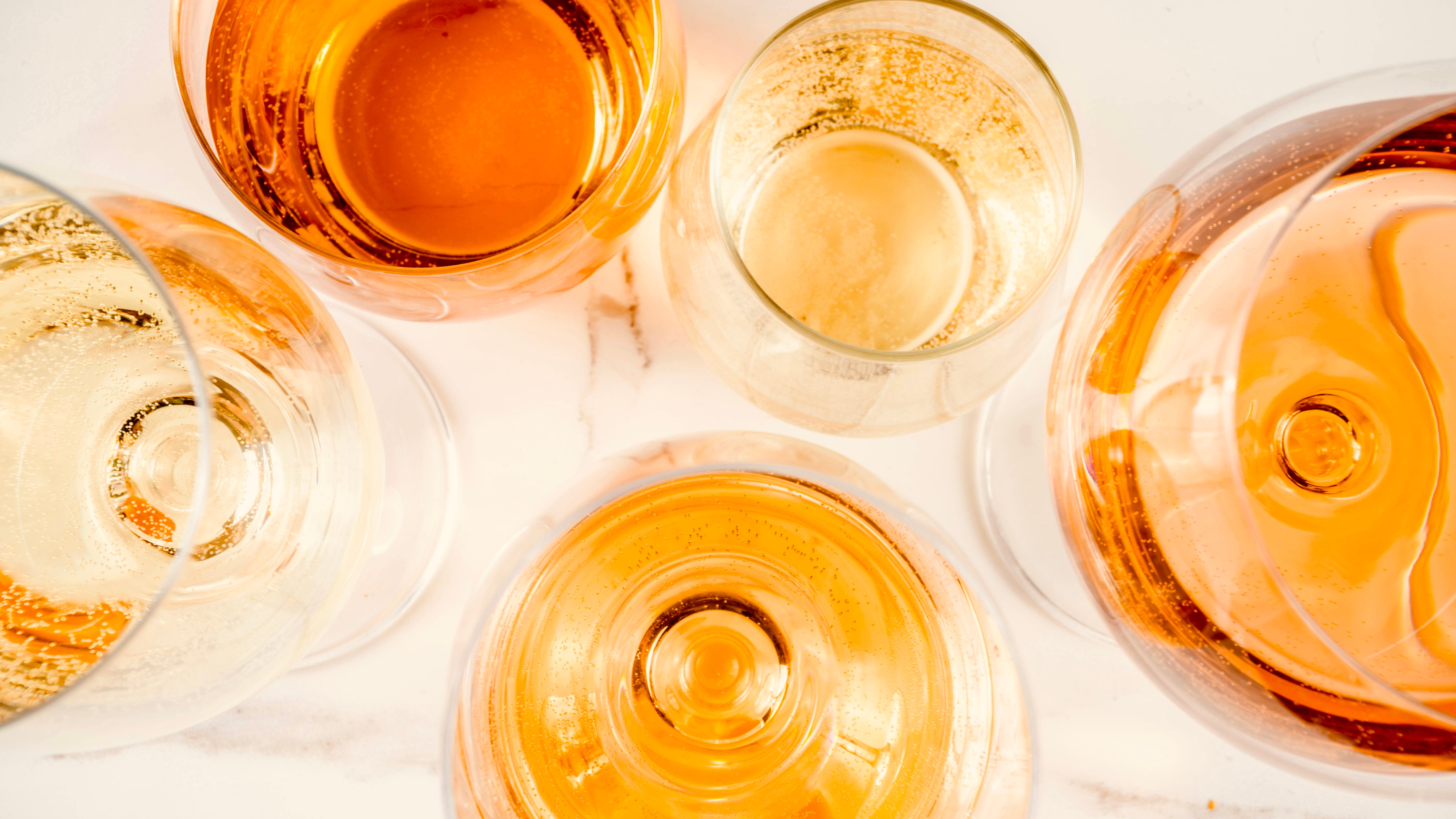
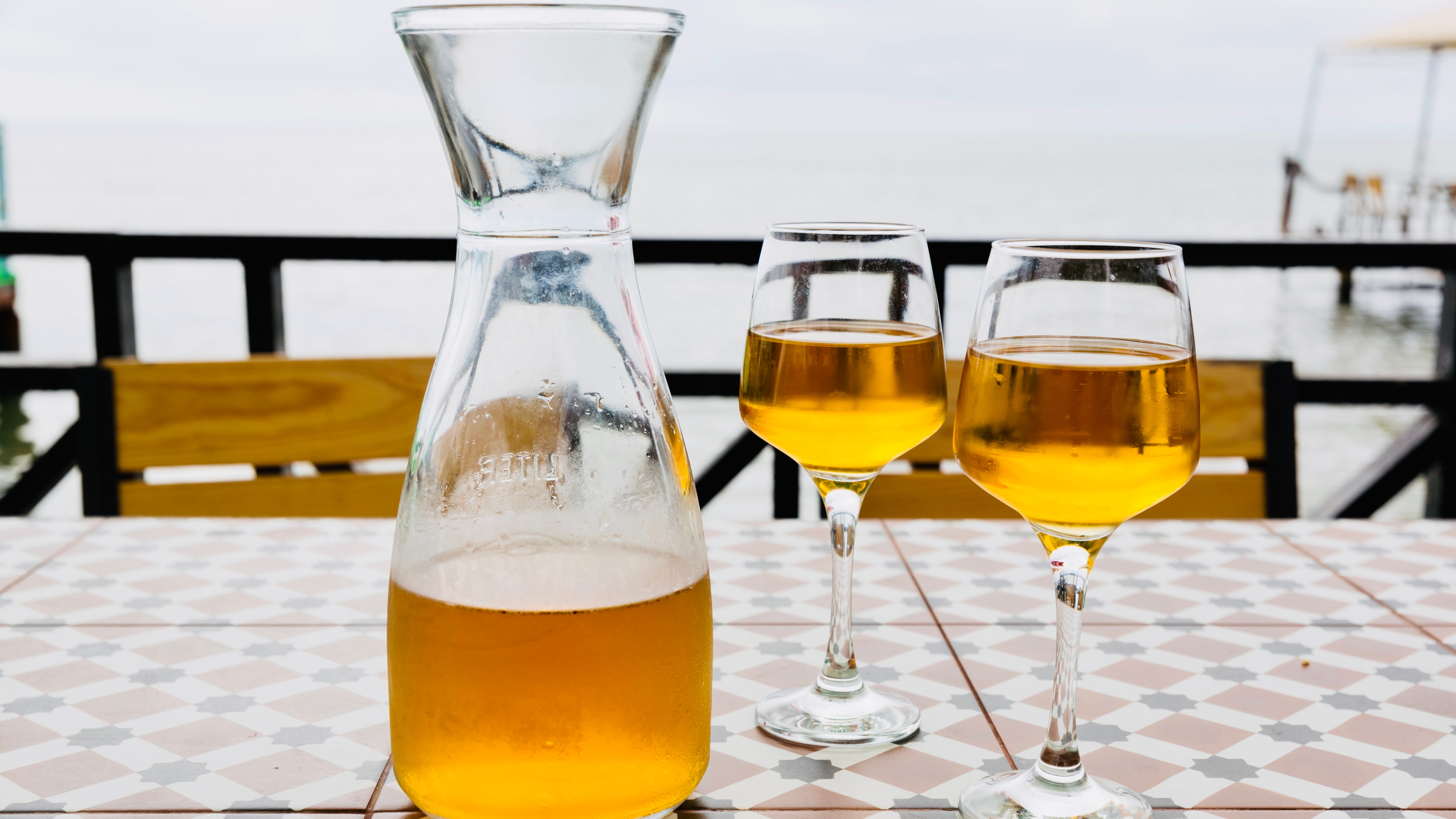
In any case, I want to remind whoever needs reminding that what we call “orange wine” is more accurately called skin-contact wine, and it’s just white wine that macerates on its grape skins. It is simply a winemaking technique that imparts different textures, flavors, aromas, and colors than your typical white wine. Orange wine is not necessarily natural wine, though it certainly can be. Likewise, not all natural wine is orange wine.
Orange wine is its own diverse category of wine, with many styles and variations.


Hear, hear. A little skin contact on Pinot Gris/Grigio is a glorious thing. Let's judge a wine by the content of its character.
Wine is such a beautiful and simple pleasure in this complicated life. I don't understand why it is continually subjected to such scorn and mischaracterization. It's not a health food, but it won't kill you either. It transcends global boundaries and brings people together. Why does it always get such a bad rap? Don't we seriously have bigger issues at this point?!? Major eye roll to VF and crew.