What Happens to Coffee When Starbucks Closes?
The chain's decline may represent a defining cultural moment for specialty coffee.
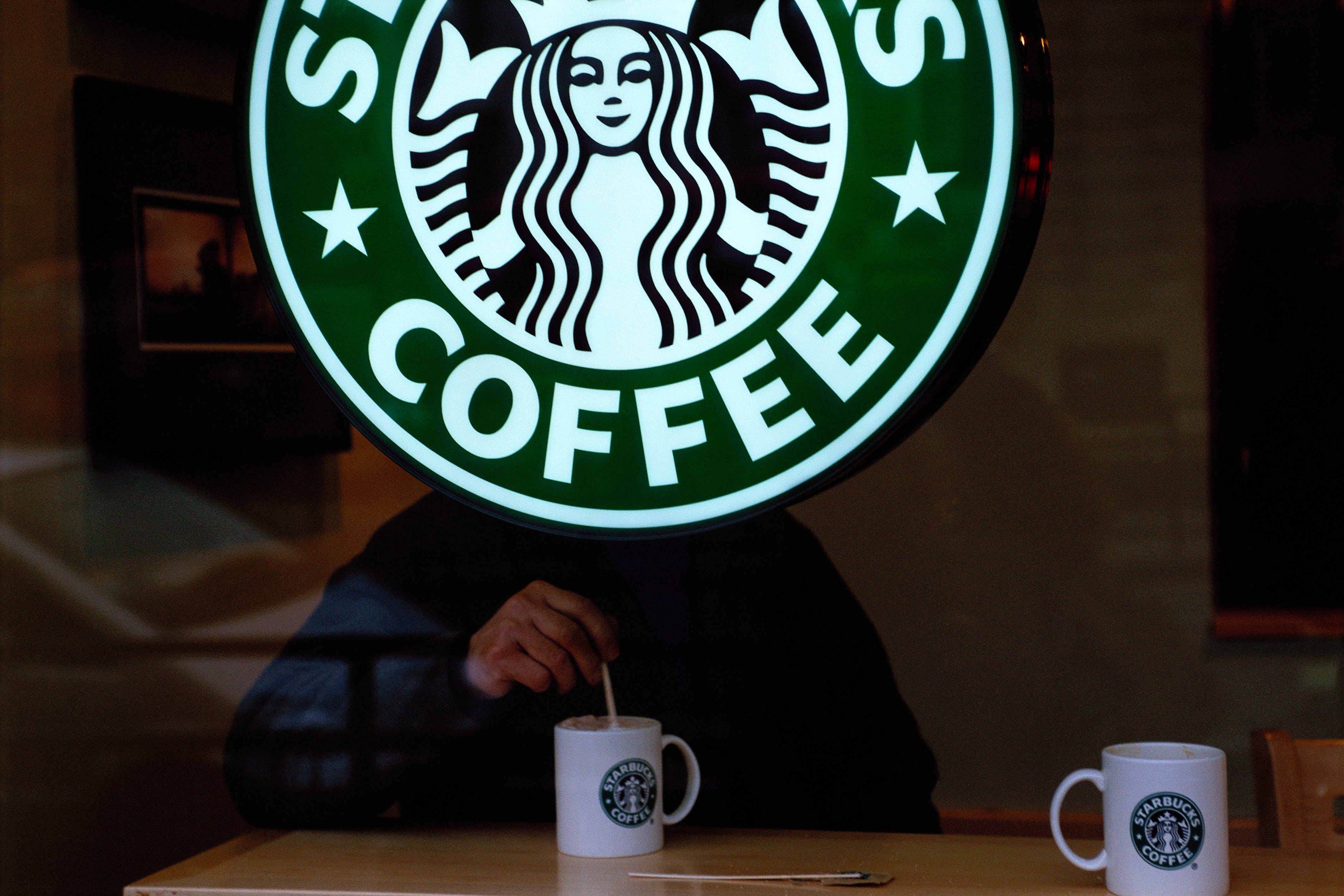
I love coffee. I’m not a Starbucks fan. I used to love hanging out at a cozy Starbucks when the chain still had that retro coffeehouse vibe and didn’t union-bust their employees. I’ve drank a lot of cappuccinos, iced lattes, and frappuccinos at Starbucks locations at airports, on road trips, and in every city I’ve ever lived in. Regardless of my personal distaste, Starbucks is an objectively important part of the U.S.’s modern coffee culture. The chain redefined espresso in the American market and ushered in a specialty coffee boom in the early 2000s. Like it or not, Starbucks is an iconic American brand that has truly changed the world of coffee, for better or worse.
For me, Starbucks lost its charm when it began to feel like more of a takeout window than a coffee shop. When menu items strayed farther and farther away from actual coffee and into money-grab ‘trends.’ In the summer of 2024, for example, Starbucks introduced ‘popping pearls’ as an add-on to their many lemonade-adjacent ‘refresher’ drinks. These pearls were essentially boba, tapioca pearls, popular in East Asian culture, but the company did not acknowledge the cultural component. I remember walking past a Starbucks and seeing a poster of a bright neon blue drink with pink boba and distinctly thinking: what are they doing? Not long after, I began seeing ads about the release of ‘protein cold foam.’ These half-baked menu ‘innovations’ seemed to be the final straw for me.
Which is to say that I was not at all surprised to see that Starbucks is downsizing and closing locations. About a month ago, new CEO Brian Niccol (the fourth new CEO in the last two years) announced store closures all over North America and laid off hundreds of ‘non-retail’ jobs within the company. This is all part of a new, and very obscure, ‘Back to Starbucks Plan’ that shortens customer waiting times and raises profit margins.
Ironically, this ‘Back to Starbucks’ initiative proposed by Niccol is somehow supposed to revitalize the idea of what Starbucks once was. But Starbucks’ mistake was in trying to simultaneously be a cozy, retro coffeehouse and an ultra-efficient takeout window, losing the plot in the process.
The original Starbucks was accessible and convenient, with a subtle edge of luxury. Espresso was front and center on the menu. But times have changed. This memory of a cozy coffeehouse includes the nostalgia of a less sophisticated digital age, the comfort of the 2010s, and less remote workers fighting over electrical outlets. Meanwhile, the majority of consumers treat coffee as a source of energy rather than an agricultural product with nuanced flavor. Chains are still trying their best to fill the space Starbucks used to occupy— the weirdest new development being a new coffee concept from Chick-Fil-A that serves cold foam coffees and sandwiches called Daybright (yes, they’re also closed on Sundays). Even though the big chains dominate the market, there is no mass-market brand that can truly recreate that retro, cozy, coffeehouse vibe, and become a true substitute for Starbucks.
Still, Starbucks’ decline could represent a huge cultural moment for specialty coffee shops across the country. The coffee world is in dire need of curators and trendsetters. In a world oversaturated with regurgitations of trends, we need more originality. This originality, combined with comfort and accessibility, is how specialty coffee shops can thrive.
There are coffee shops already doing this on both sides of the coffee spectrum. On one end, the proliferation of fun flavors, loaded specialty drinks, and matcha maximalism is introducing coffee to younger generations by making it ‘cool.’ I think of The Nitro Bar in Rhode Island whose social media strategy and flavor combinations are reimagining the coffee landscape. The three locations of The Nitro Bar, which started as a small coffee cart in 2018, are consistently packed with lines of excited coffee-drinkers attracted by online marketing and inventive, hook-y coffee recipes. Cherry vanilla, blueberry, and maple sea salt flavored drinks— along with a traditional espresso menu, cold brew, and matcha—creates a simple and genuine model of a modern specialty coffee shop that gives chains like Blank Street a run for their money.
On the other side of the spectrum, coffee industry purists need to work to meet these coffee drinkers in the middle, while also educating them on what they’re drinking and why it’s important. What chains have lost is the middle ground between fun, flavor maximalism, and the more upscale, intentionally sourced coffee culture that many associate with luxury or elitism.
Maybe, in a post-Starbucks American landscape, smaller coffee shops will be the changemakers that bridge the sticky gap of celebrating coffee while also catering to trends and the interests of younger generations. Everyday, we decide what we like, what we’re willing to pay a premium for, and what brands we gladly make a part of our cultural identities. Perhaps, coffee drinkers and regular patrons of coffee businesses, are the true curators of the new landscape.
The Dunkin Donuts’ and the Blank Streets’ of the world will always be there to serve the masses, but maybe this time around, we can all try to prioritize quality over convenience and support those small, specialty coffee businesses, like local shops and roasters. You might just find that cozy, nostalgic coffeehouse vibe you’ve been looking for.


