
The Anti-Aesthetics of Tinto de Verano
Why red wine and Sprite is the antidote to performative drinking.
In certain circles of the wine world, it might not be enough to demonstrate that you know about wine; you have to show that you know the right wines. There’s pressure to recognize references, to zero in on the right bottles and be seen drinking them. Taken to the extreme, drinking wine because it tastes good is replaced by drinking wine that signals your own good taste.
I thought about this when I read an essay, “The End of Taste as Currency,” by the art director Zoë Yasemin. “What is being called taste right now is mostly recognition,” Yasemin writes. “The ability to point at the right things, follow the right people, repeat what has already been validated by someone whose own taste was validated by someone else.” Yasemin cites the cultural critic W. David Marx, who makes the case that “the internet has not killed taste hierarchies, it has flattened the conditions that used to produce distinct ones. The subcultures that gave taste its texture…have been collapsed into a single global pool where everything surfaces at once.”
We were promised the global village, but got the Globe Theater—everyone acting out a version of taste written elsewhere and unquestioningly handed down to them. In other words, “taste, in 2026,” Yasemin writes, “has become almost entirely performative.”
The internet is awash in accusations of performance: TikToks and think pieces abound calling out performative males, performative reading, performative politics, and even performative sobriety. So what about performative drinking? I think wine has long been tied to a certain kind of performance (see Roald Dahl’s short story “Taste,” for one example), but social media has taken it to the next level. Not only can you peacock for the next table over, but you can show off your good taste to an audience of thousands of people you’ve never met in your life. You’ve seen them: from Burgundy bros to natty kids to people who buy expensive wine just because they can. There are a lot of performances happening at once.
In this world, whether you like what you’re drinking almost becomes secondary. “The pressure to demonstrate good taste has produced an arms race,” Yasemin writes. “People no longer want the thing. They want the signaling mechanism around the thingThe reference has become the thing, and the work that was supposed to come from engaging with the reference has become almost beside the point.”
So how to escape the performance? To thine own self be true, of course. “What would you still defend if no one around you was currently recommending it?” Yasemin asks. “What do you find yourself returning to that you are slightly embarrassed to share publicly because it does not fit the room?”
Which brings us to tinto de verano.
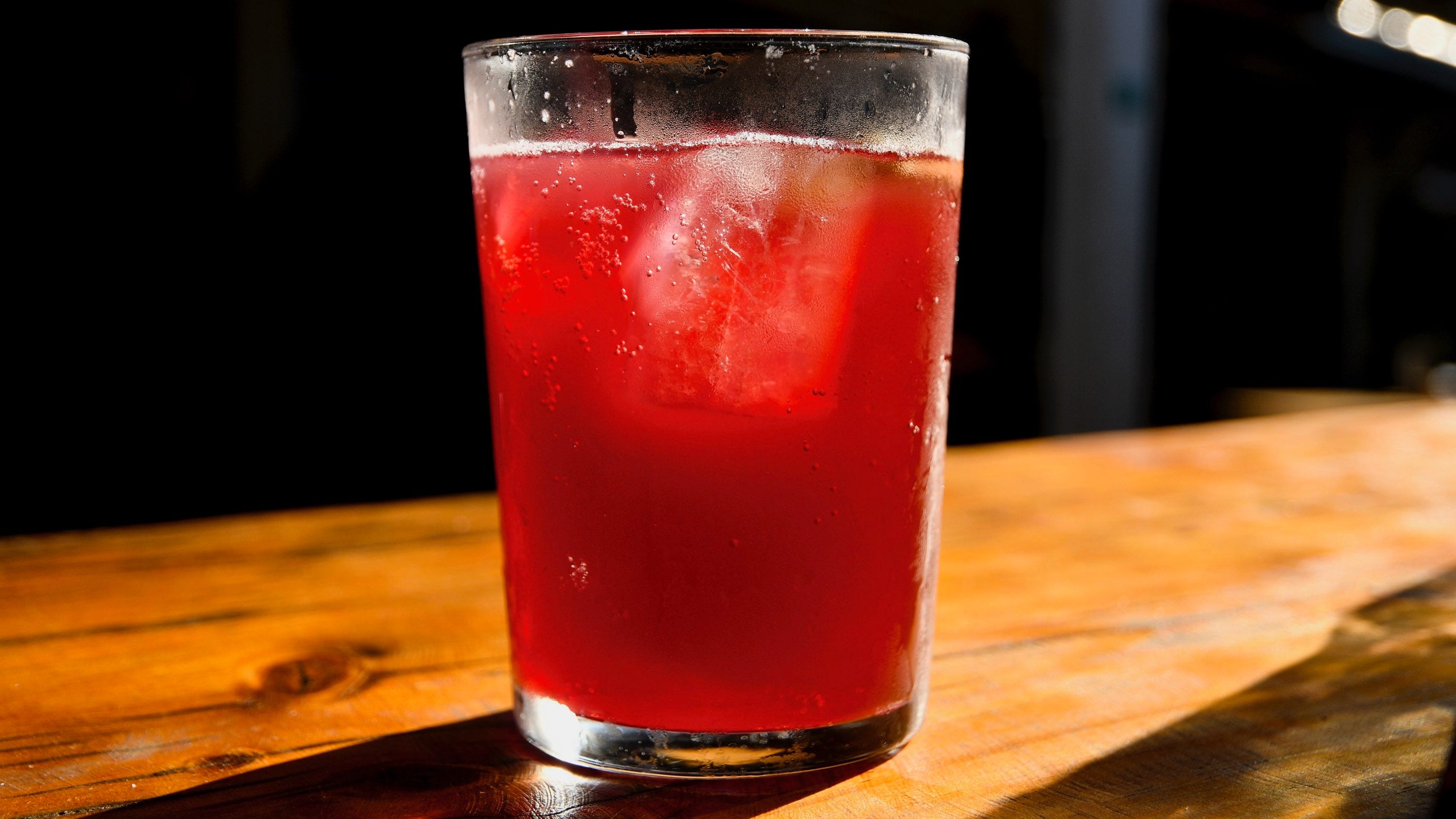
Six years ago, I was hunkered down in my apartment in Spain, riding out the pandemic with the rest of the world. I drank a lot, like everyone did, but on my English teacher’s stipend of €700 a month, my vinous diet consisted mainly of supermarket wine of the boxed or bottled variety, poured over ice and topped off with a splash of gaseosa—carbonated water with a little sugar and lemon flavoring added. This combination is officially known as tinto de verano, Spain’s quintessential summer drink.
My first contact with the glorious tradition of mixing soda and wine was in the Galician port city of A Coruña, at a hole-in-the-wall place called Café Amsterdam that was located directly below the apartment of some American guys I met right after moving there. The owner was a diminutive woman somewhere between 50 and 112 years old who specialized in the “Look at you! You’re so skinny! You need to eat!” sort of force-feeding common among southern European women of a certain age. We loved her.
When you walked in at lunchtime, you sat down at one of a handful of tables that filled the small space, set out with paper tablecloths and sturdy ceramic plates. A short wall divided the kitchen from the dining room, and a counter ran the length of one side of the room. This was a strictly menú del día operation: primer plato, segundo plato, beverage, and coffee or dessert to finish. It was also an exercise in excess. Shortly after sitting down, the owner came over, rapidly thumbed to a blank page in her notepad, and asked you: “soup, or tortilla?” This was the first test of your appetite. Choose soup, and an entire steaming terrine would glide over to your table. Choose tortilla, and a slice that nearly covered the plate would be deposited in front of you. Either of the starters would have been more than enough for a meal on their own. But the main courses were soon rattled off: “today we have (deep breath) chuletadeterneramilanesadepolloarrozconmariscoscocidopechugadepolloalaplanchasecretoalaplanchacodilloasadolubinaalhornoensaladamixta.” When she came up for air, you’d order, and she’d zip off to the kitchen.
I once made the mistake of ordering paella along with a friend. When a giant oval tray came out of the kitchen, stacked at least a foot high, I made a comment along the lines of “oh great! One plate to share!” and was swiftly corrected: “No, no! That’s just for you! If you want more, you let me know, eh?” I ended up giving in and ducking into the shop around the corner to buy a plastic container to take the rest home. It was the Costco of restaurants—everything was at least three times bigger than it needed to be, and we loved it.
The enormity of the portions also extended to the beverages. Order Coca-Cola, and a liter bottle would be thunked down in front of you. The same went for water. But if you ordered wine, you’d get a two-for-one special. An unlabeled bottle of vino de mesa would be placed on the table, accompanied by a liter bottle of gaseosa. This was great: you could basically drink an entire bottle of wine and still have your wits about you to go teach an English class. Wine and gaseosa quickly became a staple drink in my life. Was the wine crappy? Yes. Did it bring me an unreasonable amount of joy? Also, yes. But nobody ordered it because of what it said about them; they ordered it because it made the meal that much better.
After the pandemic, Café Amsterdam closed. I walked by one day when they let us out of the lockdown, and it had a for sale sign with a number on the grate. On a whim, I called, and a man picked up. I told him that I was wondering about the woman who owned the place—was she ok? As it turned out, she was his mother. She was fine, but she had retired to their place in the country. I told him to please give her regards from one of the American boys she fed. Although I never even got her name, I think of her often as my first example of the particular Spanish kind of unpretentiousness. Some of the most incredible meals I’ve ever had were over a tiny wooden table in that restaurant, accompanied by copious amounts of unlabeled wine and gaseosa.
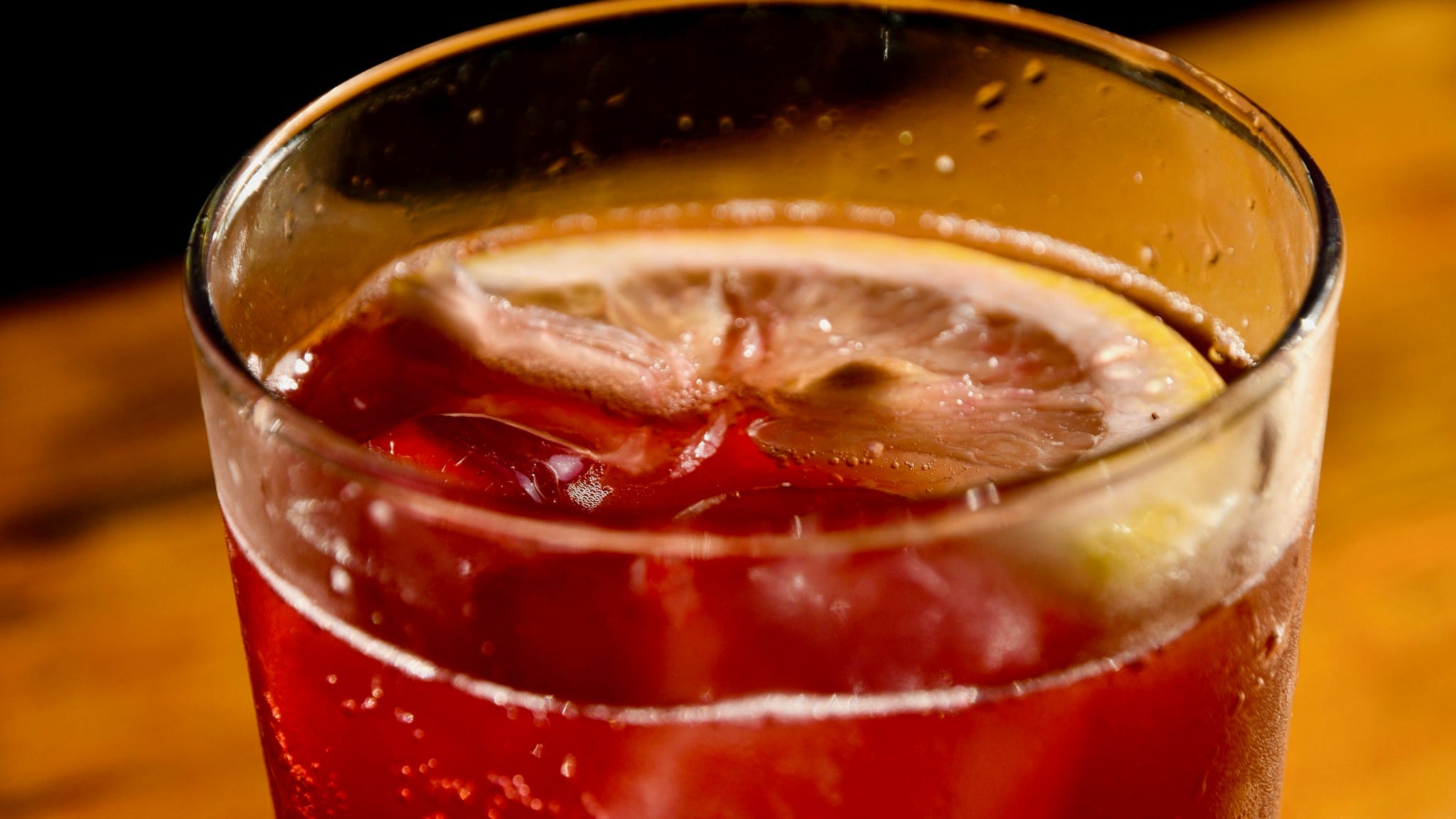
I think there has to be a place for this stuff once in a while in the wine world, because it’s the perfect antidote to performative drinking. You drink Tinto de Verano because it’s hot and you’re thirsty and it’s there. The pleasure is immediate and completely yours, separate from any ideas of what you’re supposed to be doing or who this is meant to impress.
I don’t want it to seem like I’m making an argument against expertise or taking wine seriously—I’m not. Wine deserves study and attention because it’s one of the world’s great cultural products. People deserve to drink great, interesting wines because the rewards are endless. But that message is so much more powerful if it comes from a place of authenticity. The most knowledgeable people I know are more excited about discovering and sharing unsung wines than drinking bottles for clout, because their enjoyment is personal. Their expertise isn’t a performance, but a by-product of joy.
As we’re dissecting the wine industry’s myriad crises, we shouldn’t forget that just as we have a duty to tell people that wine should be complex and interesting and transcendent, it can and should also be fun. In a culture increasingly unable to enjoy things except through tying them to status, self-optimization, and utility, it’s nice to know that some things remain whose sole purpose is relief and conviviality. So consider this your permission to forget about good taste once in a while and plunk some soda in that crappy bottle your friend brought over. Not in pursuit of one-upmanship, but for the good old-fashioned pleasure of drinking.
How to Make Tinto de Verano + Five Wines To Use
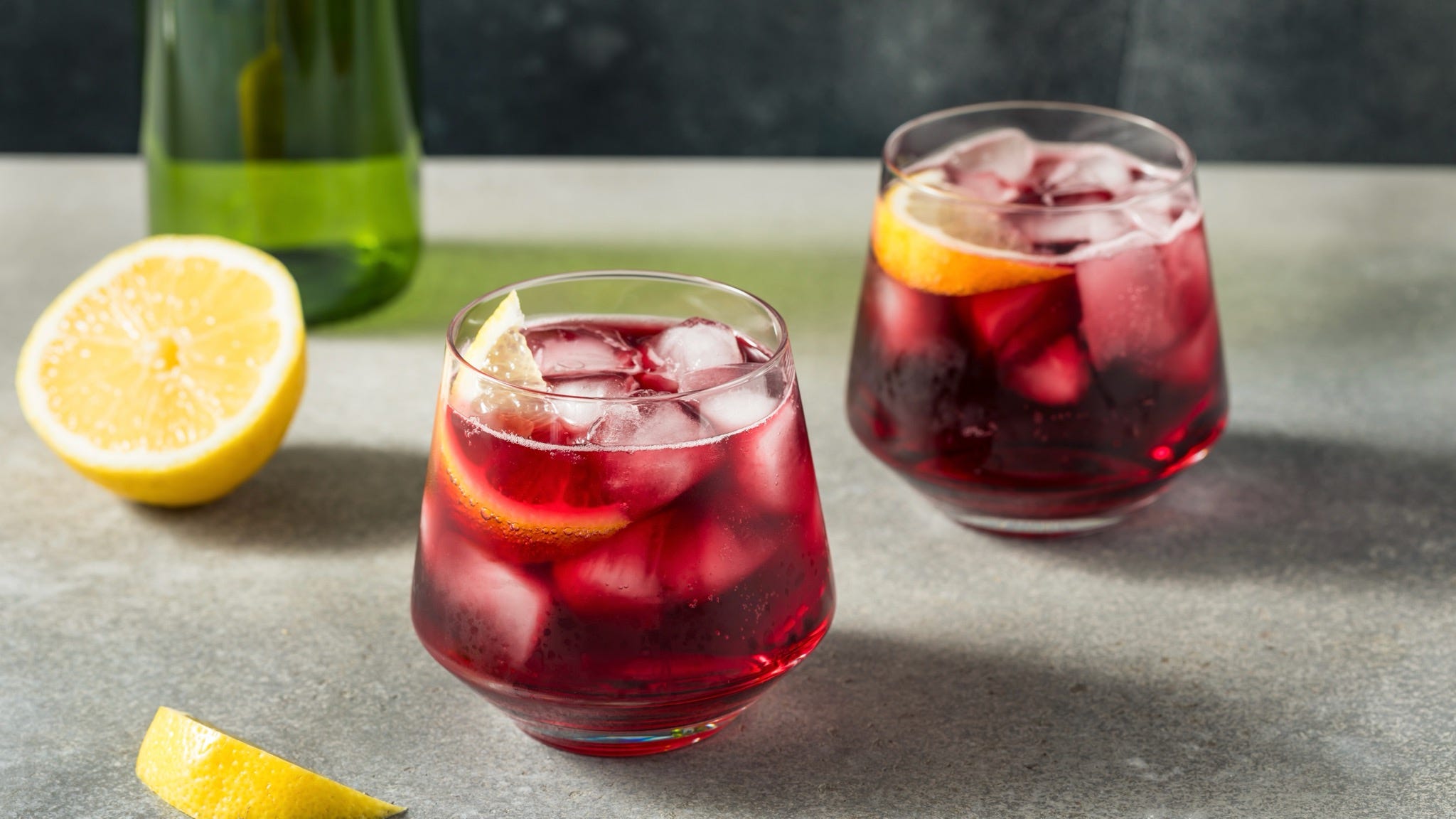
Fill a tall or wide glass with ice. Combine equal parts dry red wine with lemon-lime soda. For the wine, find a decent tempranillos or garnacha in the $12-$15 range. For the lemon-lime soda, La Casera is the go-to brand in Spain, but Sprite or 7-Up also work. Stir until cold. Garnish with a lemon slice.
I’m in favor of using the cheapest red wine you happen to have on hand, but if you want to pick up a case of Spanish wine that you can feel good about drinking on its own too, the below are some of the best values out there.
Lurra Garnacha 2024 ($9)
Lurra (the word for “terroir” in Basque) is a private label garnacha produced for importer Polaner Selections in Campo de Borja. Grapes from 30-50 year old garnacha vines are crushed and fermented in stainless steel to make this simple, brambly-fruited, no-nonsense red.
Eguren Ugarte Cosecha Rioja 2023 ($10)
Eguren Ugarte Cosecha blends tempranillo and garnacha from the higher-elevation Rioja Alavesa into a fun and approachable expression of blueberries, blackberries, and plums, with just a hint of spice but nothing of the oak notes that a more traditional Rioja might have.
Viña Zorzal Garnacha 2024 ($10)
Could Viña Zorzal Garnacha be the best value wine in Spain? It might get my vote. Super juicy strawberries and cherries punch you in the face as soon as your nose hits the glass, with lively acidity backing it up on the palate. 10/10 every time.
Bodegas Ponce La Xara Garnacha 2024 ($13)
La Xara garnacha is Juan Antonio Ponce’s attempt to make Sierra de Gredos-style garnacha in the heart of Mediterranean Spain, and I think he succeeds. Lovely light and floral, with candied strawberries on the nose and bright acidity on the palate
Bodegas Exopto ‘Cosecha Tinto’ Rioja 2024 ($15)
Frenchman Tom Puyaubert makes this great example of Rioja’s unpretentious side, a blend of garnacha and tempranillo aged for six months in concrete and six months in 5,000L oak vats. The vinous version of your favorite Trader Joe’s mixed berry blend with barely-there tannins and nice freshness. Delish.
 | A guest post by
|