
Is Old Aussie Shiraz Cool Again? Ehhhh Maybe, Maybe Not.
An old soul experiences unfashionable wines from before her time.
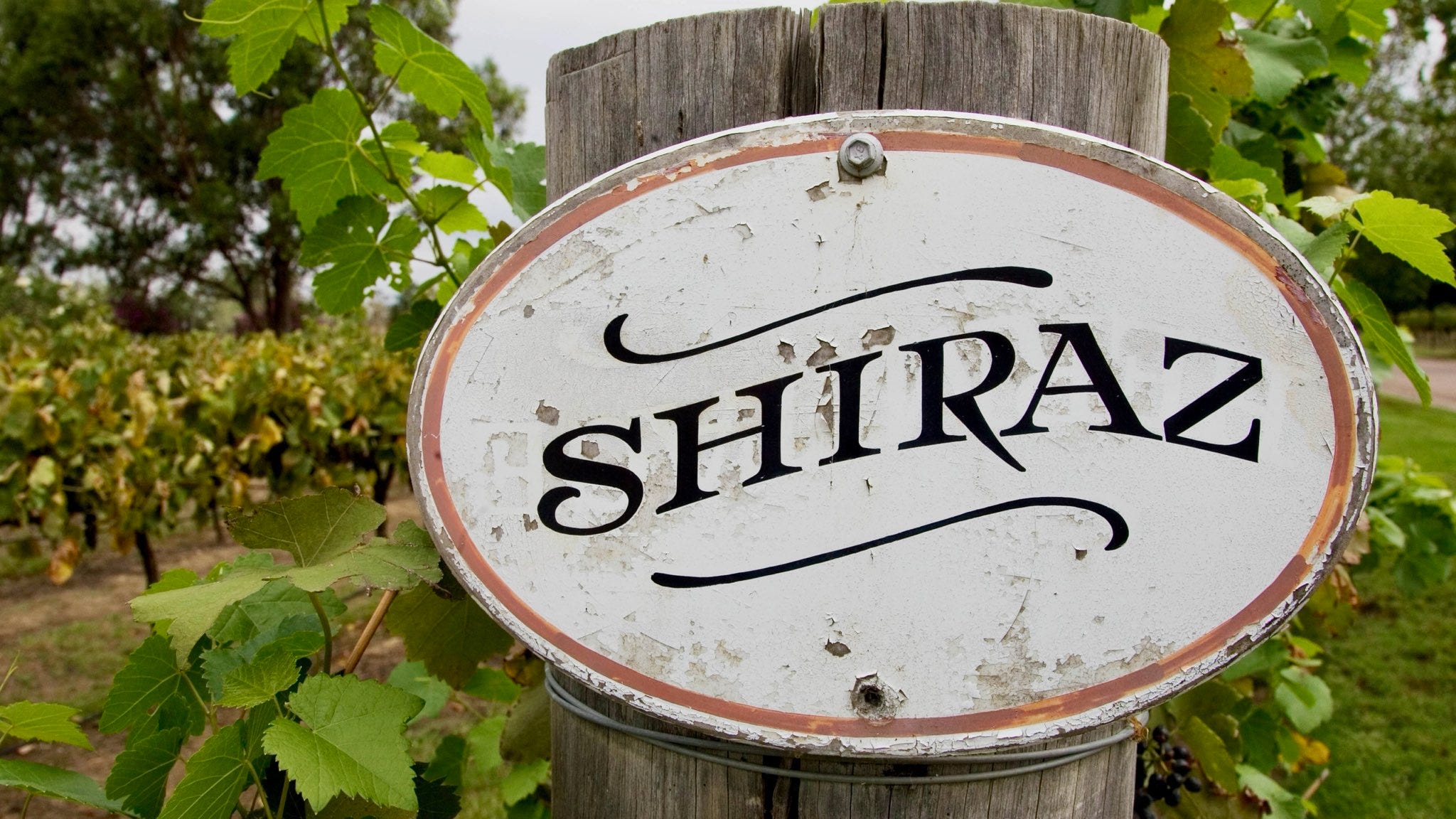
Certain things have come to pass and I find myself a 29-year-old divorcee living in a strange, millennial-grey rental house with my parents. It’s Monday night, my kids are with their dad, and I have four old Australian shiraz open before me. Only times as troubling as these would call someone to open a critical mass of 16-percent-alcohol bombs, alone, standing in her kitchen over a girl dinner of chips and salsa. But here we are, and frankly, I am glad we are.
Shiraz, the name for syrah from Down Under, has a rich history as the red wine grape of South Australia. In his brief history of shiraz, Australian wine writer James Halliday says, “Wherever vines were planted, shiraz emerged as the most suitable red grape for table wine.” From the mid to late 20th century, shiraz production in Australia grew exponentially until its peak in 1996. During the early 1990s, critic Robert Parker started including numerous Aussie wines in his roundups of “greatest values” (mostly sub $10 bottles) in Wine Advocate. By the end of the decade, he was awarding high scores to the top bottles of shiraz from South Australia, which were no longer such “great values” at around $40 to $60 per bottle.
As you can imagine, the yuppie wine collectors of the 1990s fully bought into what the finest producers in Australia were bottling around this time. Through the end of the 1990s, exports of Australian wine were at an all-time high.
In many ways, the rise of Aussie shiraz mirrored what was happening across the Pacific, in Napa Valley, which in the 1990s was in the midst of its own “golden decade,” popularly producing a similar style of bold jammy red wines and rich chardonnays. Interestingly enough, at similar price points, Australian wines scored higher among critics throughout the 1990s.
The boom did not last very long. In 2009, Mike Steinberger wrote—in his Slate hit piece “How Yellow Tail crushed the Australian wine industry”—about the infamous bulk brand and its role in the demise of Australian wine. “The biggest problem is that Australia has made itself synonymous in the minds of many drinkers with cut-rate, generic wines,” Steinberger wrote.
Riding the coattails of Australia’s finest shiraz, Yellowtail and its imitators collapsed the market for Australian wine by pumping out tens of millions of cases of their plonk globally. By the end of the aughts, Australian wine’s reputation was in the toilet. Today, in the U.S. market, virtually no reputation exists at all. Collectors have turned away from the high-end Australian shiraz toward Burgundy, Bordeaux, Barolo, or Brunello. On the low end, grocery stores have filled the demand for cheap, jammy red wine with bulk from South America and Portugal.
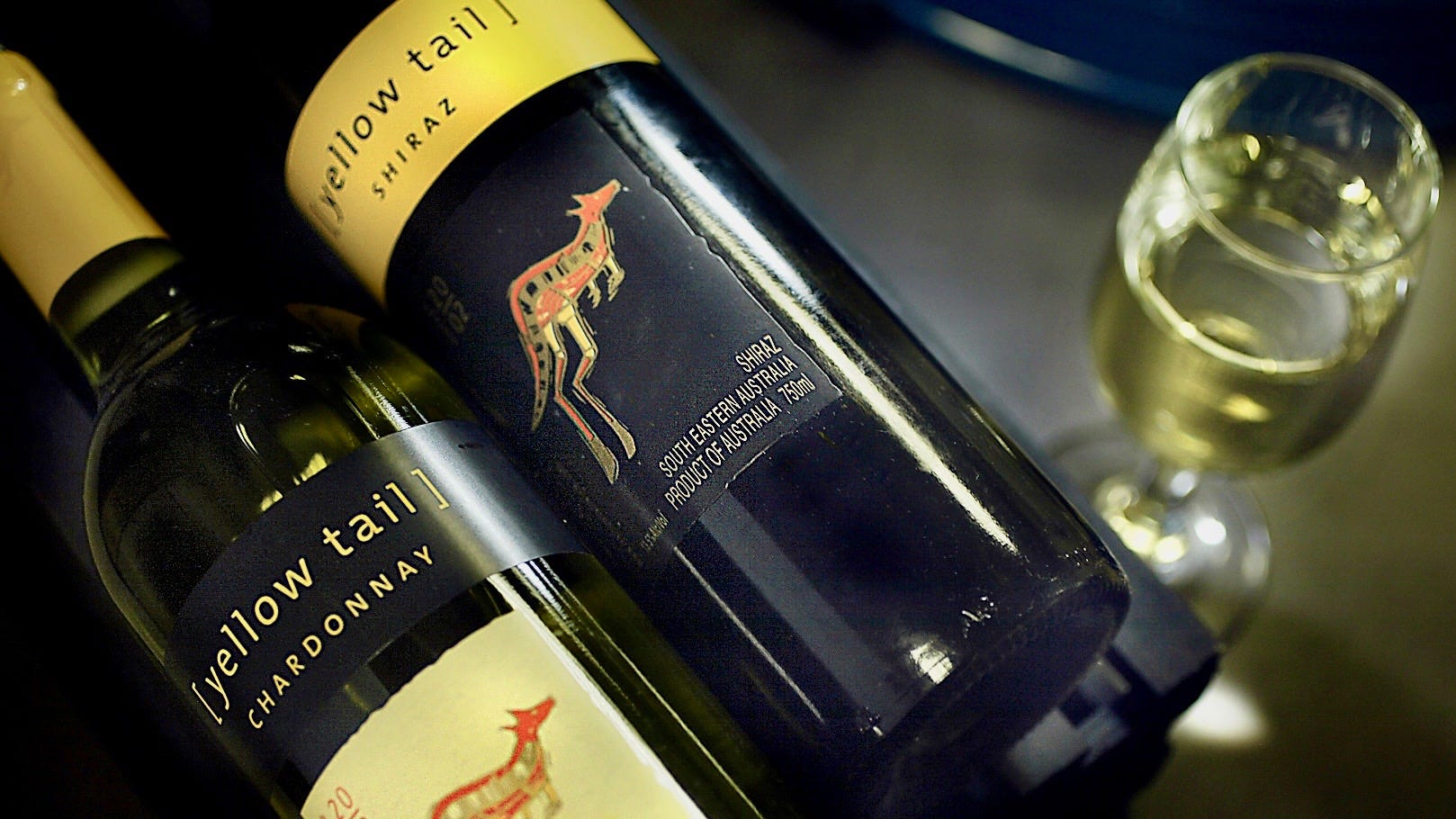
So when a small group of male millennial wine collectors, to whom I have a parasocial relationship with, started singing the praises of old Aussie shiraz, I was sure I was being punked. On all other accounts, these wine guys knew their stuff and had me believing in their good taste. So, what was the deal with these “penal colony wines,” as they called them?
Around the time my skeptical curiosity in the classic wines from Down Under started germinating, I happened upon a bottle of 1994 Clarendon Hills shiraz at one of my local wine shops. It sat on a shelf that was full of mature wines that you don’t often encounter in the wild. The shop owner told me he’d been buying entire private wine cellars from aging (or recently deceased) local collectors.
I started visiting the shop weekly and watched this epic collection of aged wine grow. “I can hardly keep up with the requests,” the owner told me. One widow would tell another, and another, and soon he was the person to call when you needed a dead guy’s wine collection valued and liquidated. Sure there were many unicorn bottles: Scarecrow, Petrus, Château d’Yquem, Domaine de la Romanée-Conti, etc. But my budget dropped me somewhere between old Amarone, German spatlese riesling, Napa Valley merlot…or Aussie shiraz. That summer I bought a number of old bottles from these now-undervalued categories for less than they sold for on release. (Yeah, summer 2025 was a weird one.)
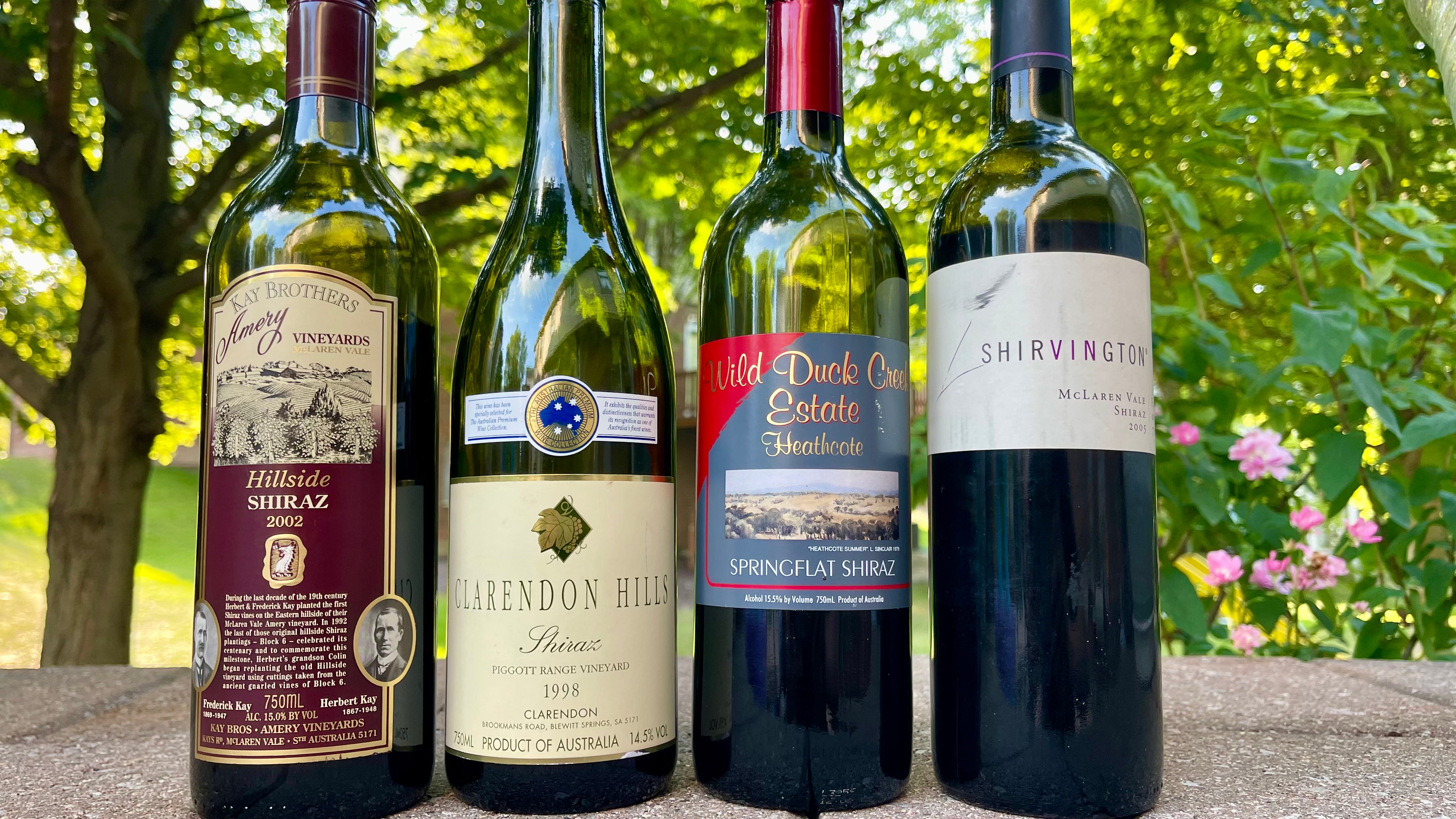
Then, this April, a box of wine appeared on my doorstep. It was from one of these Millennial Men in Wine from the internet and the selection could best be described as “divorce wines.” It included a 2002 bottle of Kay Brothers ‘Hillside’ shiraz, McLaren Vale’s oldest winery, and another bottle of Clarendon Hills—this time a 1998 bottling from their Piggott Range vineyard in McLaren Vale. I guess nothing mends a broken heart quite like sitting by oneself and contemplating wines from my dad’s generation, wines that are now most forgotten and unwanted.
Clarendon Hills—the pioneer of single-vineyard, single-varietal wines in McLaren Vale—is typically the most restrained version of South Australian shiraz one can find. Of the four old shiraz, this was the one that was predominately savory: salami, olive, tomato, and herbs overshadowed the ripe fruit.
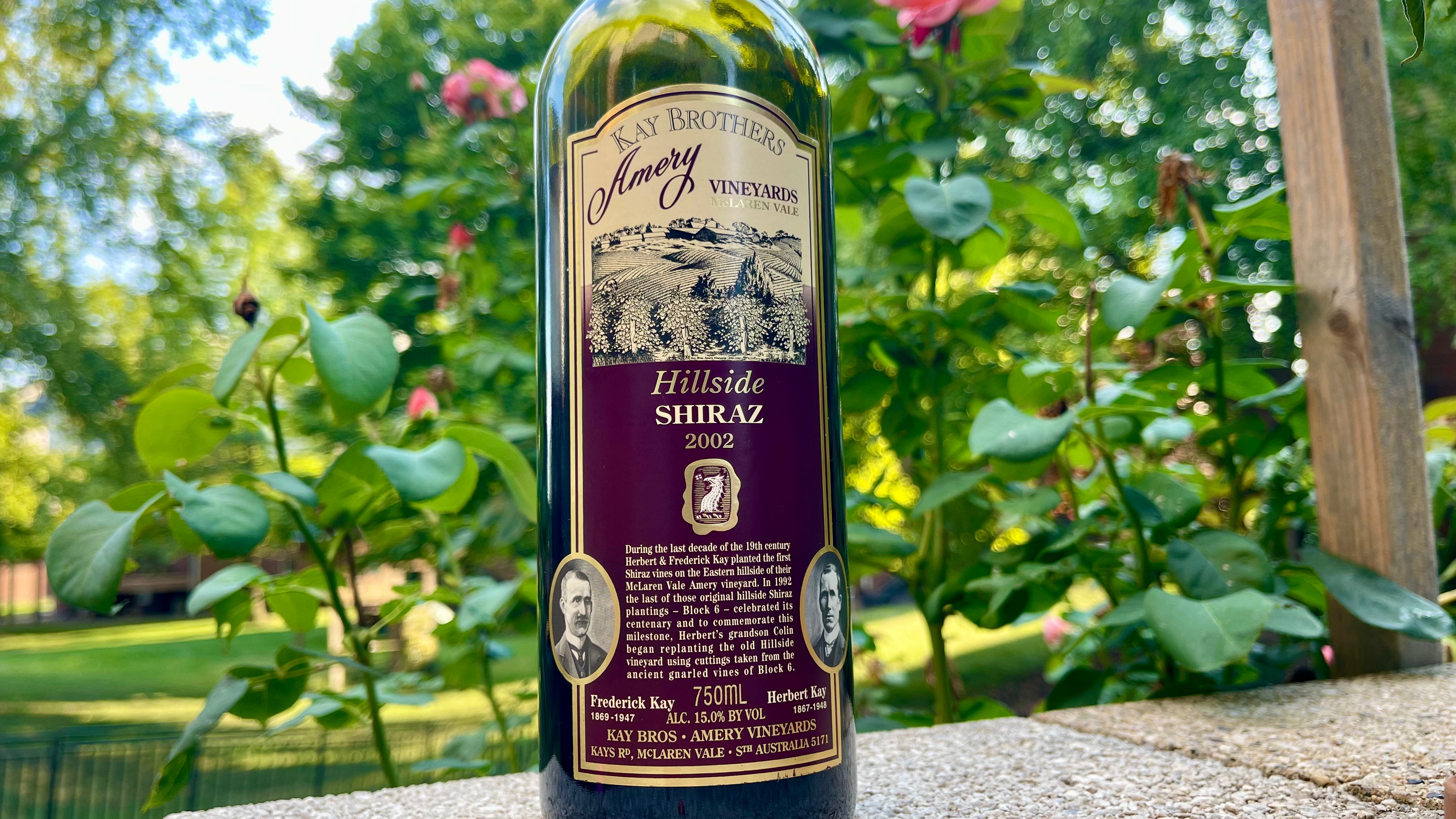
The Kay Brothers, on the other hand, is a gobsmacking 15 percent abv. Its front label, so classic and loquacious, is complete with headshots of both Kay Brothers, a vineyard vista, and a full paragraph of text. It’s the kind of label that makes you really want to hate the wine before you open it.
Yet, at risk of losing my cool-kid™ cred, the wine was absolutely delightful, nuanced, and alive at 24 years old. It offered impressive and surprising fresh fruit like cherry and berries on the nose, balanced by menthol, bloody meat, earth, and other herbs. Deeply concentrated in a way I don’t encounter often, but again, fully in balance. I have to admit, a wee 3 oz pour was the perfect aperitif before hopping in my Uber to dinner, feeling lifted and giggly and satiated. I wouldn’t recommend more than that in a sitting. Even the back label on this standard 750-ml bottle gently reminds you that “this bottle contains 8.9 standard drinks.”
Last week, when I asked my boss if he had any old Australian shiraz in his cellar I could buy off him, he laughed out loud. “Oh absolutely. I have a ton of it,” he said, his face suggesting this was an insane question to ask a man in his 70s who has been collecting wine for five decades. “Mostly 20 to 30 years old,” he told me, and on Monday morning I was greeted at my desk by two bottles: 2005 Shirvington shiraz from McLaren Vale and 2002 Wild Duck Creek Estate ‘Springflat’ shiraz from Heathcote.
Similar to the Kay Brother’s shiraz of the same vintage, the 2002 Wild Duck Creek Estate Springflat shiraz greeted me with bright red fruit on the nose intertwined generously with something primitive and leathery. On the palate it was light on its feet (especially considering the 15.5 percent abv) and opened nimbly to flavors of red plum, eucalyptus, with long barnyardy finish. After revisiting this wine—about 18 hours later—the fruit had finally developed into a wider array of ripe red and black berries, the barnyard had blown off to reveal a more subtle earthy, truffle note that complimented the titillating green herbs woven throughout. This is a slutty, no-holds-barred kind of wine. I couldn’t help going back to top up my glass, thinking to myself, “No one can tell me this doesn’t taste great.” It’s everything you tell yourself you don’t want in a wine—too much fruit, too much alcohol, too much New World, nothing “cool” about it—but put it in your mouth and the joy of being alive can’t help but wash over you.
As I look back at Robert Parker’s original tasting notes on the wines open before me, I notice two things. First, all of these bottles are cheaper to buy now with 20 to 30 years of age (averaging $30 per bottle today) than they were on release. Second, his recommended drinking window for these wines on release seems frightfully short after having tasted them.
For example, all of the shirazes here were rated 91 to 95 points, and Parker recommended on average holding them no more than 10 to 15 years. The 2005 Shirvington shiraz, specifically, he scored 93 points and advised “drink over the next 7-8 years.” Now, at 21 years old and 16 percent abv, this wine still came across a bit hot to me. The oak was heavier than I wanted it to be. It had fresh plum, dried plum, dried herb, clove, eucalyptus, and turned earth—it had layers and layers of opulence. Honestly, the thought of encountering this wine 10 years ago is giving me a headache. But here’s the thing: Given how pleasurable the 2002s were, I would be totally excited to taste this wine again in three to five years.
In some ways, maybe we should be grateful that these big Aussie reds fell so rapidly out of fashion. Potentially, it saved some pretty incredible bottles from an early death. Collectors in the 1990s and 2000s, who opened these bottles early, likely received an unpleasurable punch in the palate. That bodyslamming ripe Aussie fruit would have remained too bold to show anything else any sooner. The wonder of their ageless acid, structure, and evocative complexity would take many more years to come to the fore. And so those collectors likely wrote off their Aussie shiraz and moved on to something else.
Tasting these bottles decades later, it makes me wonder: Will a new generation of drinkers and collectors be introduced to the pleasures of aged wine through the opulent—yet very affordable—option of Australian shiraz? I’m not saying it’s a bad idea.


Loved this piece, Caroline. Thank you!